


Examples of structures developed in CYPECAD
CYPECAD is an application specialised in the design and analysis of structures made of different materials (concrete, steel, timber, etc.) with geometry organised in a storey-based layout.
This makes it possible to resolve a wide variety of structural types that adapt to this layout, such as the following:
- framed structures
(frames formed by reinforced concrete, steel, composite or timber columns and beams); - floor slab structures
(one-way slabs, waffle slabs, solid slabs, hollow-core slabs, composite slabs, timber slabs, etc.); - structures with reinforced concrete walls and plane-stress walls
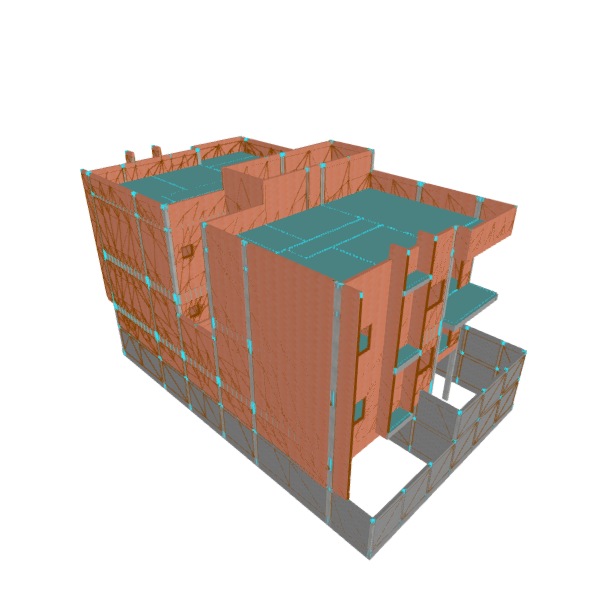
(shear walls, load-bearing walls, basement retaining walls); - structures with masonry walls and concrete block walls;
- and specific structural elements
(shallow and deep foundations, ramps and staircases, etc.).
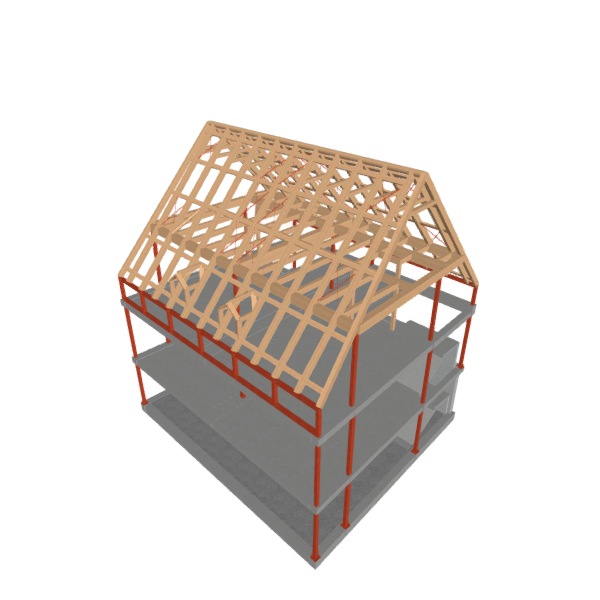
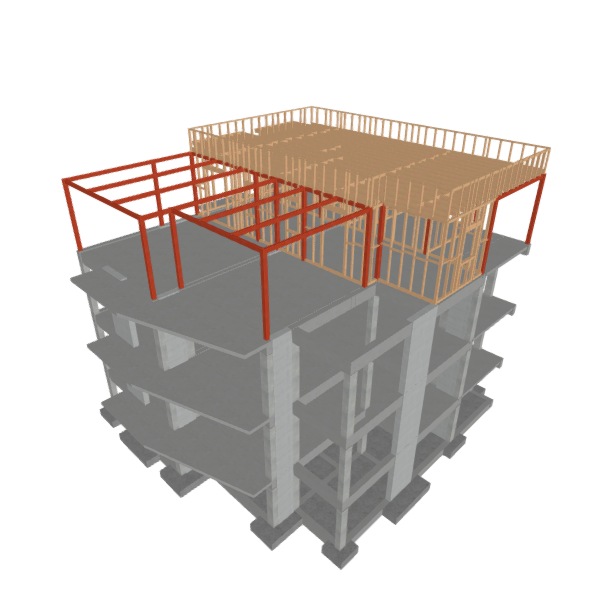
In addition, thanks to the integration of CYPE 3D, it can resolve mixed structures, consisting of areas with free geometry, usually solved with steel or timber structures (such as pitched roofs, trusses or steel substructures), together with areas organised by storeys, usually solved with concrete structures (frame or wall systems, and floor slabs).
The building types in which these types of structural solutions are common and which, therefore, can be calculated with the program are very varied and include the following:
- residential buildings (single-family dwellings, multi-family residential blocks, apartment buildings, etc.);
- tertiary-use buildings (offices and public or administrative buildings; hotels and residences; shopping centres and commercial spaces; schools, colleges and universities; hospitals and health centres; libraries, cultural centres and museums, etc.);
- industrial buildings with parts of the structure organised by storeys (industrial buildings and warehouses with slabs, office areas and/or basements);
- service and infrastructure buildings (underground or multi-storey car parks, bus or railway stations, airport terminals, etc.);
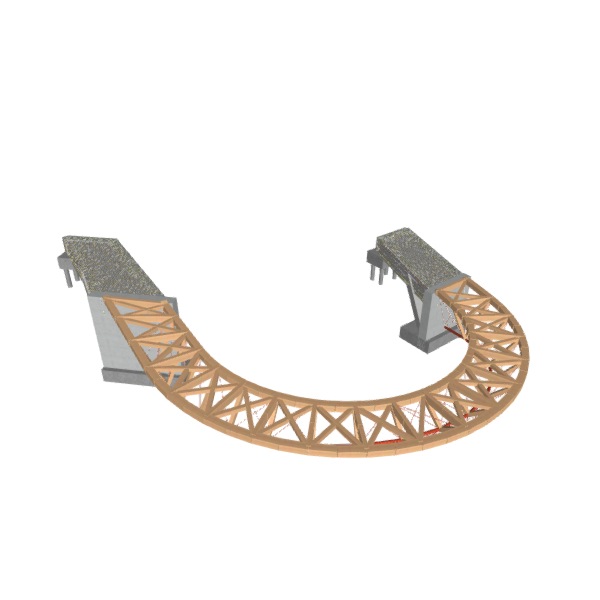
- and simple civil engineering structures (tanks and water reservoirs, staircases, passages, etc.).
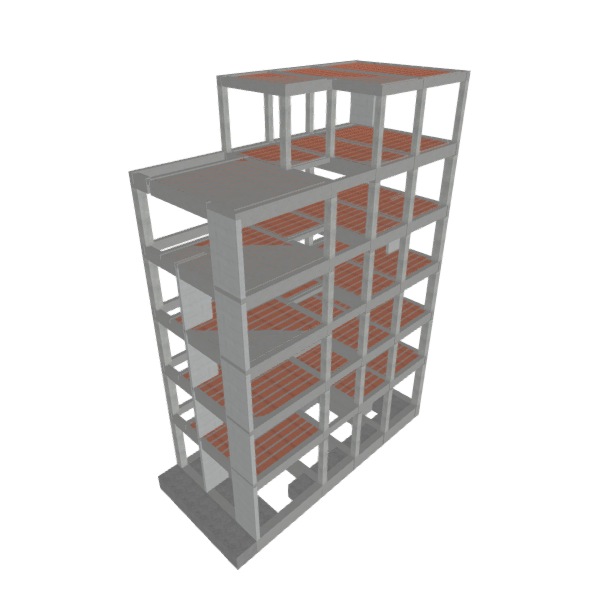
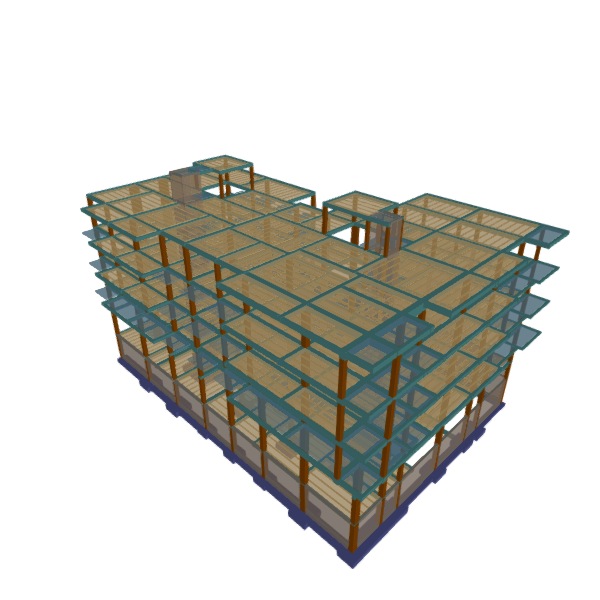
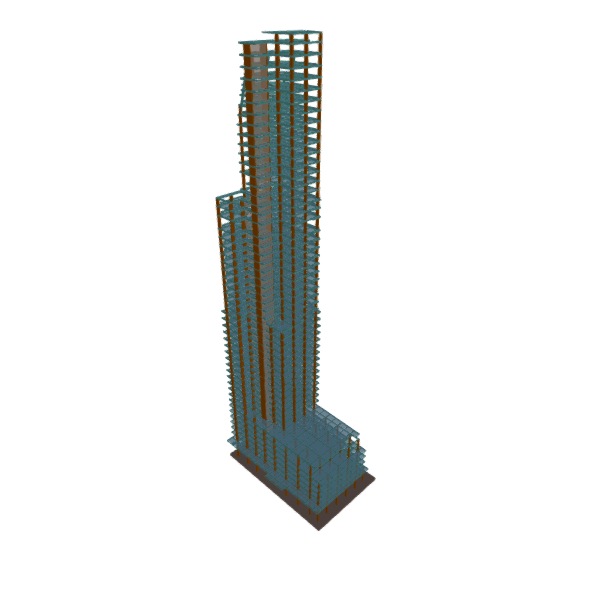
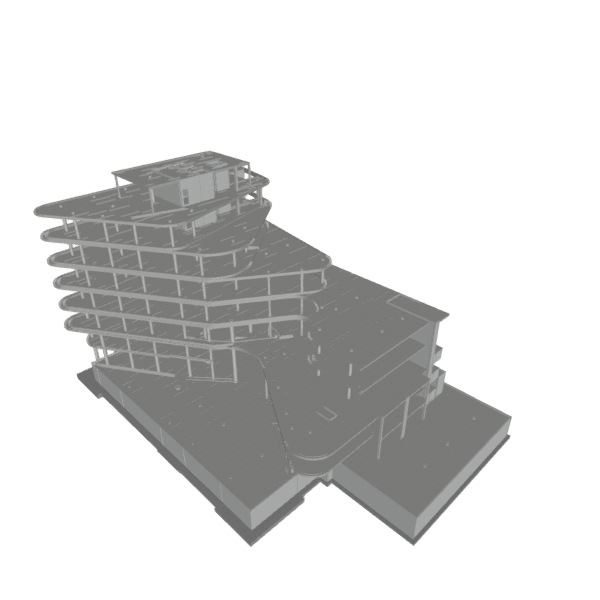
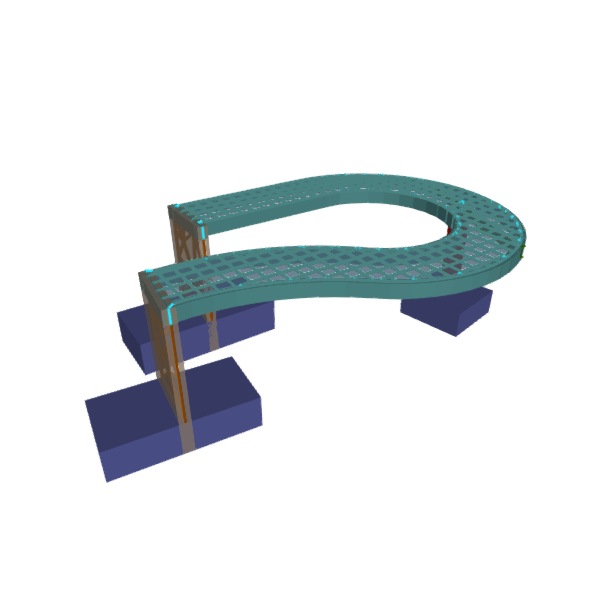
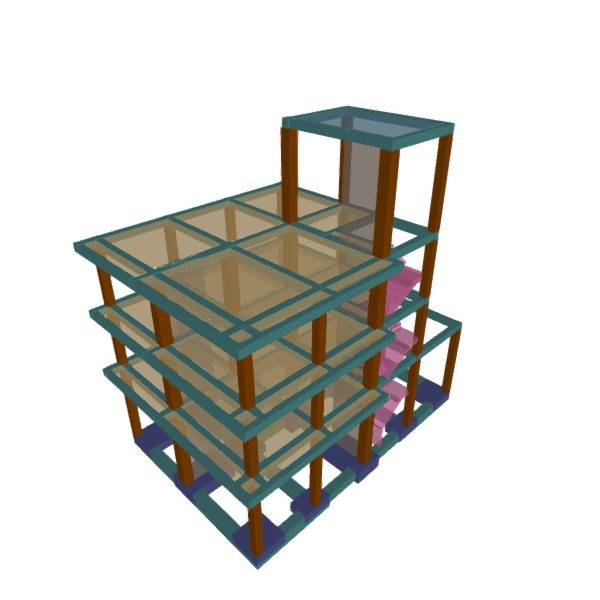
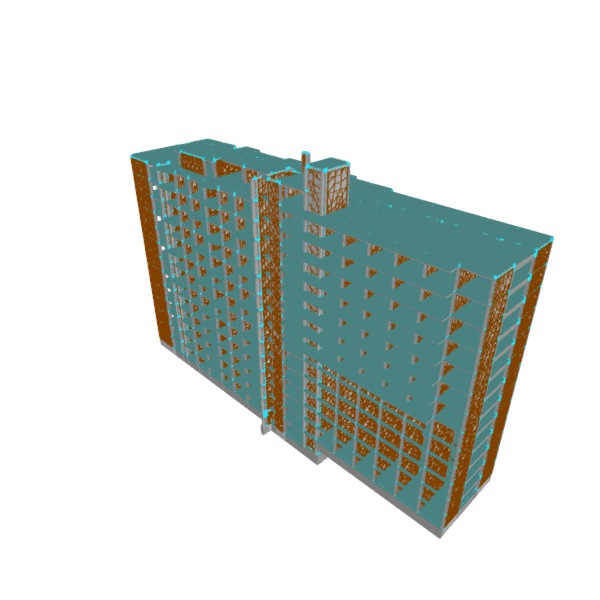
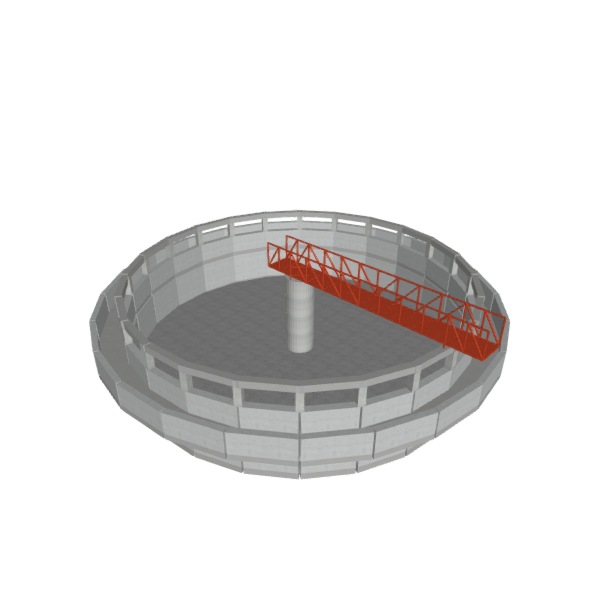
Below are some examples of structural models developed with the program:
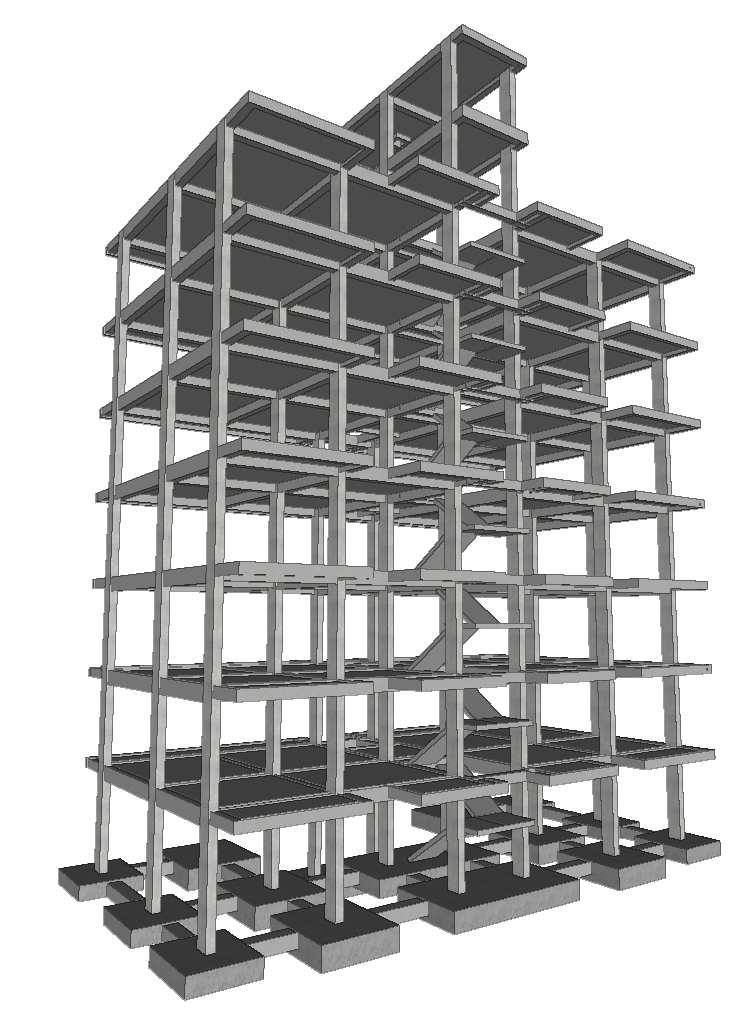
Concrete structures
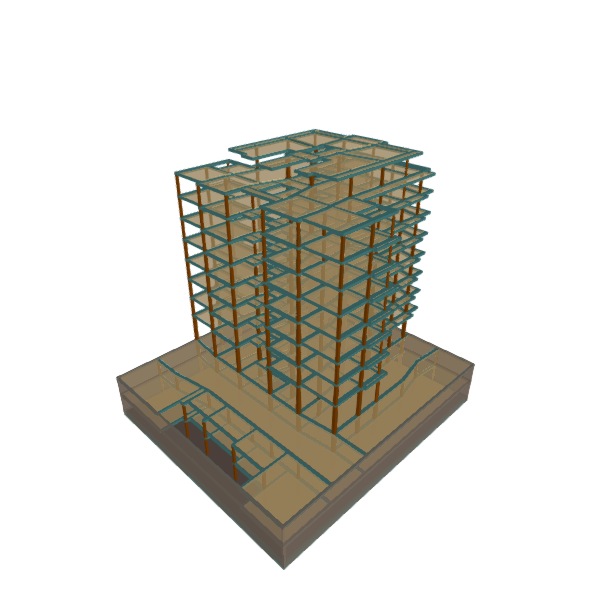
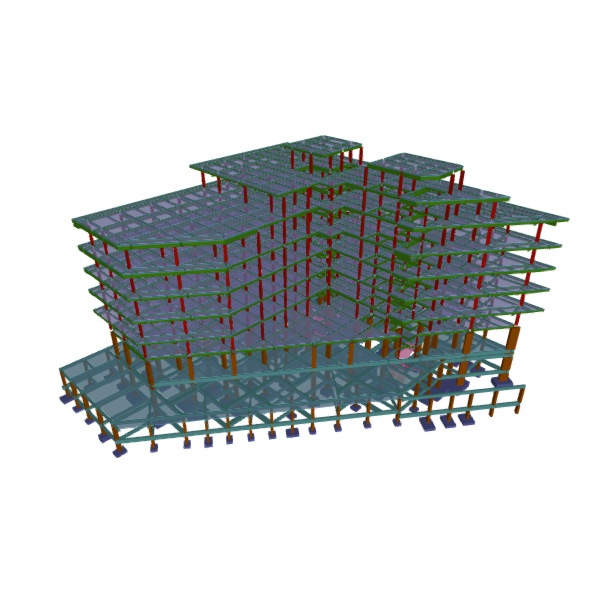
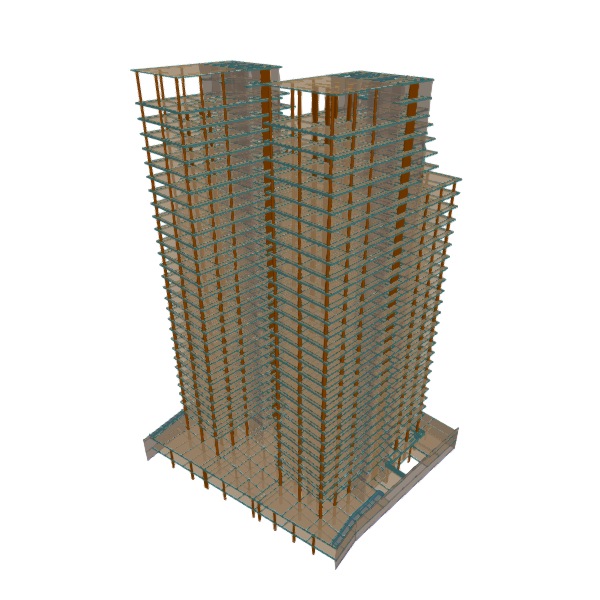
Concrete wall and masonry wall structures
Mixed concrete and steel structures
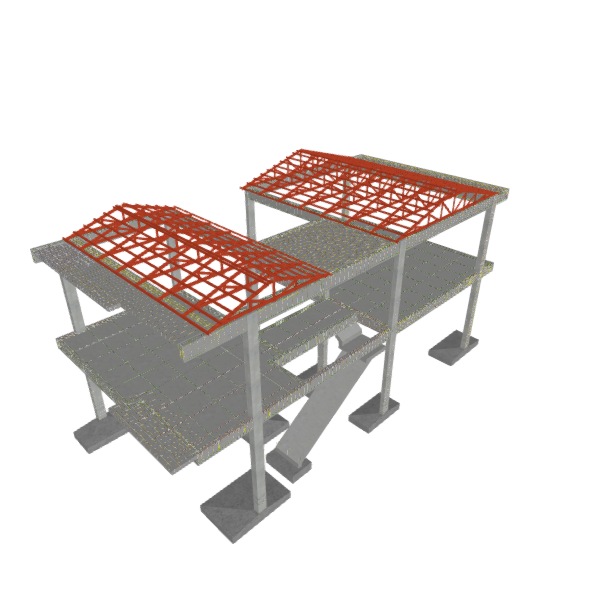
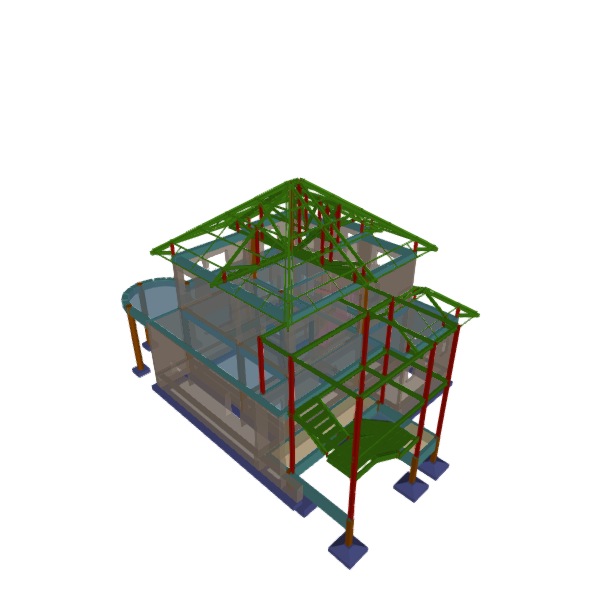
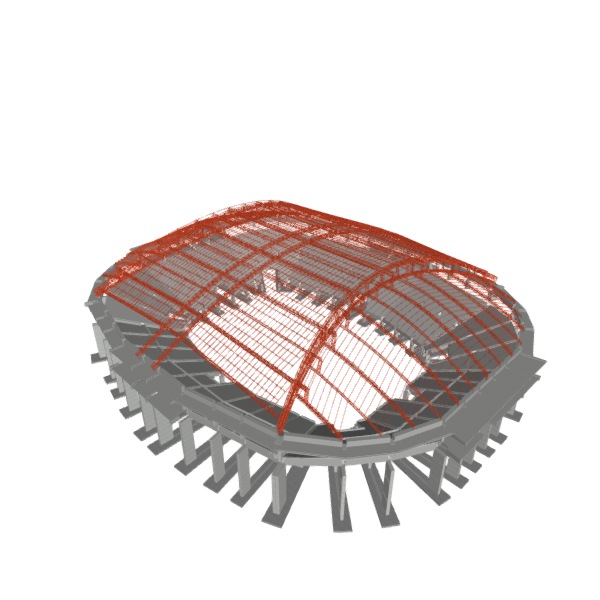
Mixed concrete and timber structures
| Note: |
|---|
| Go to this link, to see the gallery of CYPECAD contributions on the BIMserver.center platform. |
