


Benefits of a modal vibration analysis in structures
The modal vibration analysis of structures is essential to ensure their safety, durability and functionality.
Engineers can predict how the structure will respond to dynamic loads, such as wind, traffic, or earthquakes, and carry out an appropriate structural design to make it resistant and stable.
Structures can experience vibrations due to a variety of factors, including external forces, resonant frequencies, and system disturbances. The modal vibration analysis helps to understand the natural frequencies, vibration modes and dynamic response of structures to ensure that they remain within acceptable limits.
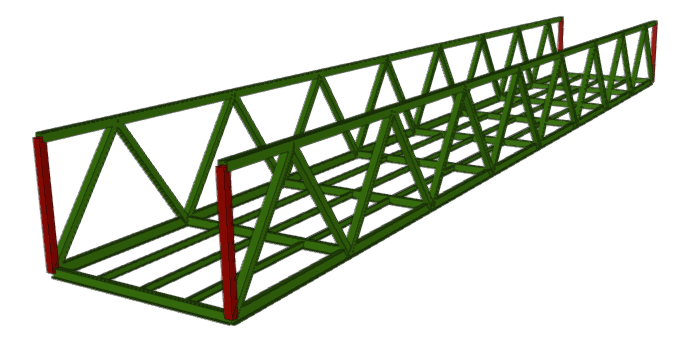
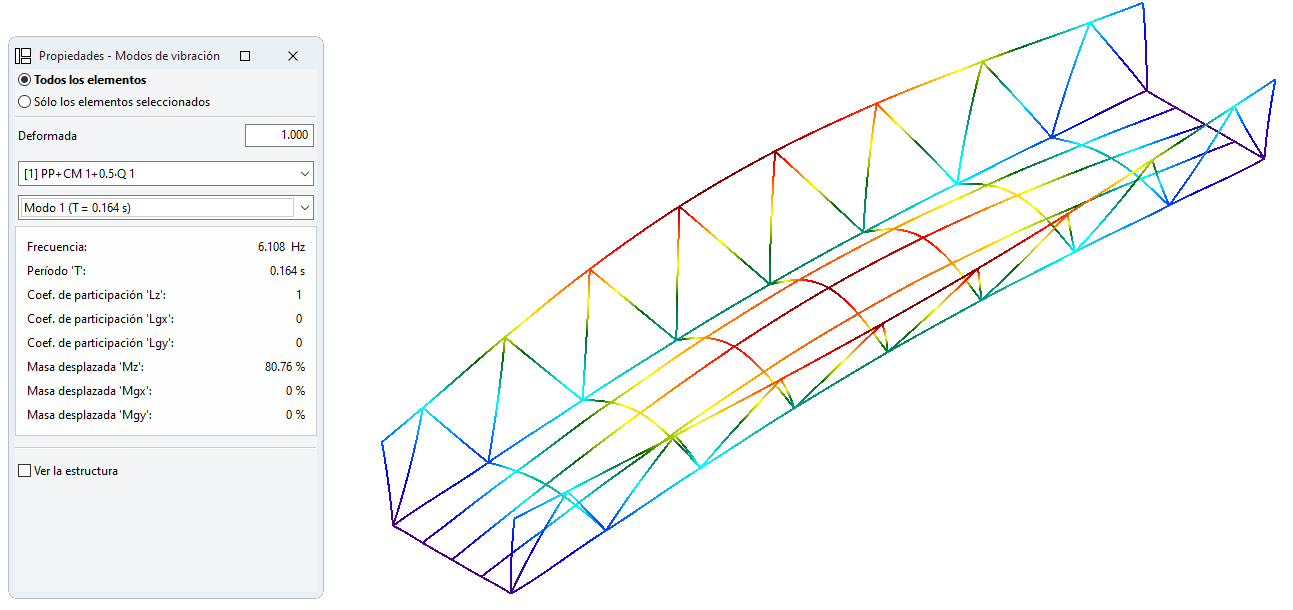
Vibration modes
When a structure or part of a structure vibrates, it vibrates in specific patterns known as vibration modes. Each mode corresponds to a unique natural frequency at which the structure will tend to vibrate. The number of modes and their corresponding frequencies depend on the structure's geometry, material properties and boundary conditions. By analysing these modes, designers can identify potential vibration problems and optimise the design of the structure to minimise unwanted vibrations.
Modal analysis
Modal analysis is a technique that attempts to determine the natural frequencies and modal shapes or modes of vibration of a structure. Natural frequencies represent the frequencies at which the structure naturally tends to vibrate without external excitation. Modal shapes describe the spatial patterns of vibration associated with each natural frequency (the way the structure deforms as it vibrates). Modal analysis helps designers identify critical frequencies and design structures to avoid resonance, which can lead to excessive vibrations and structural failure.
Design considerations
Avoiding dangerous resonances
Engineers must ensure that the natural frequencies of the structure are well separated from the expected frequency range of external forces (such as passing vehicles or wind). If the natural frequencies coincide with the applied load frequencies, resonance can occur, causing significant vibrations and possible structural damage that can lead to collapse. It is therefore crucial to consider the natural frequencies during the design phase and to modify the properties or dimensions of the structure if necessary.
Assessing seismic and wind actions
Dynamic loading conditions, such as wind or earthquakes, must be carefully considered in the design of structures. These loads can induce significant vibrations that may exceed the capacity of the structure if not adequately addressed. The dynamic response of structures under different loading scenarios must be evaluated and their design optimised accordingly.
Comfort assessment
In tall buildings or pedestrian bridges, excessive vibrations (although not structurally damaging) can cause discomfort to users. Analysis helps to improve the user experience.
Ultimately, by understanding the dynamic behaviour of structures, engineers can ensure that their designs are safe and meet the needs of their clients.
Real examples
- Tacoma Narrows Bridge (1940): collapsed due to a resonance phenomenon.
- San Francisco Bay Bridge: seismic dampers were added after modal vibration analysis.
- Modern buildings: use energy dissipaters and seismic isolators that are designed according to these studies.
