

Update history​​

CYPECAD

CPE INEN 5:2001 (Ecuador)
Construction code of Ecuador
General Design Requirements: Seismic danger, Design Spectrum and Minimum Calculation Requirements for Seismic-Resistant Design.
Implemented in CYPECAD and Metal 3D (as of the 2011.a version).

IS:875: (Part3) – 1987 (Reaffirmed 1997) (India)
Code of Practice for Design Loads (other than earthquake) for Buildings and Structures. Part 3 - Wind Loads.
Implemented in CYPECAD and the Portal frame generator (as of the 2011.a version).

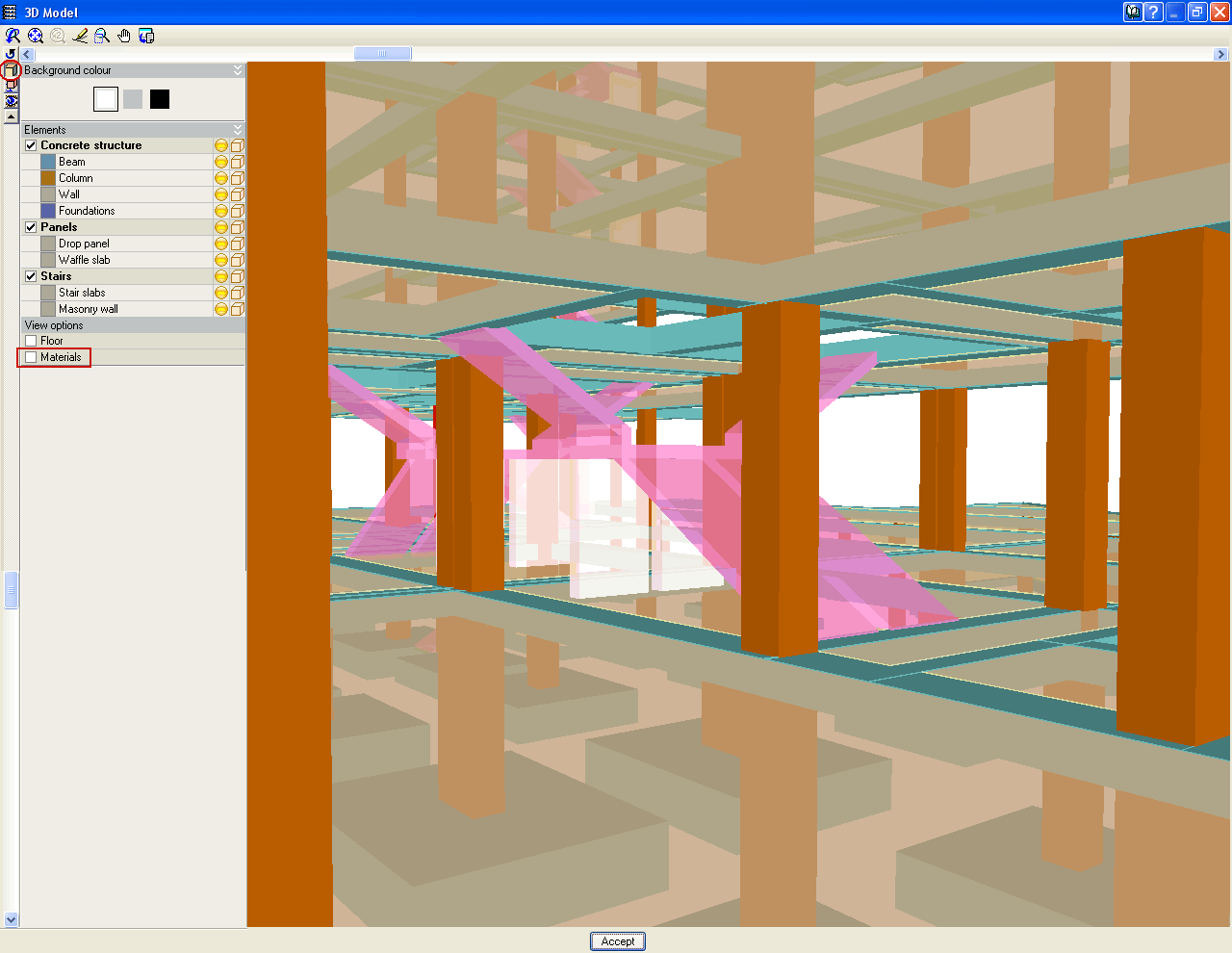
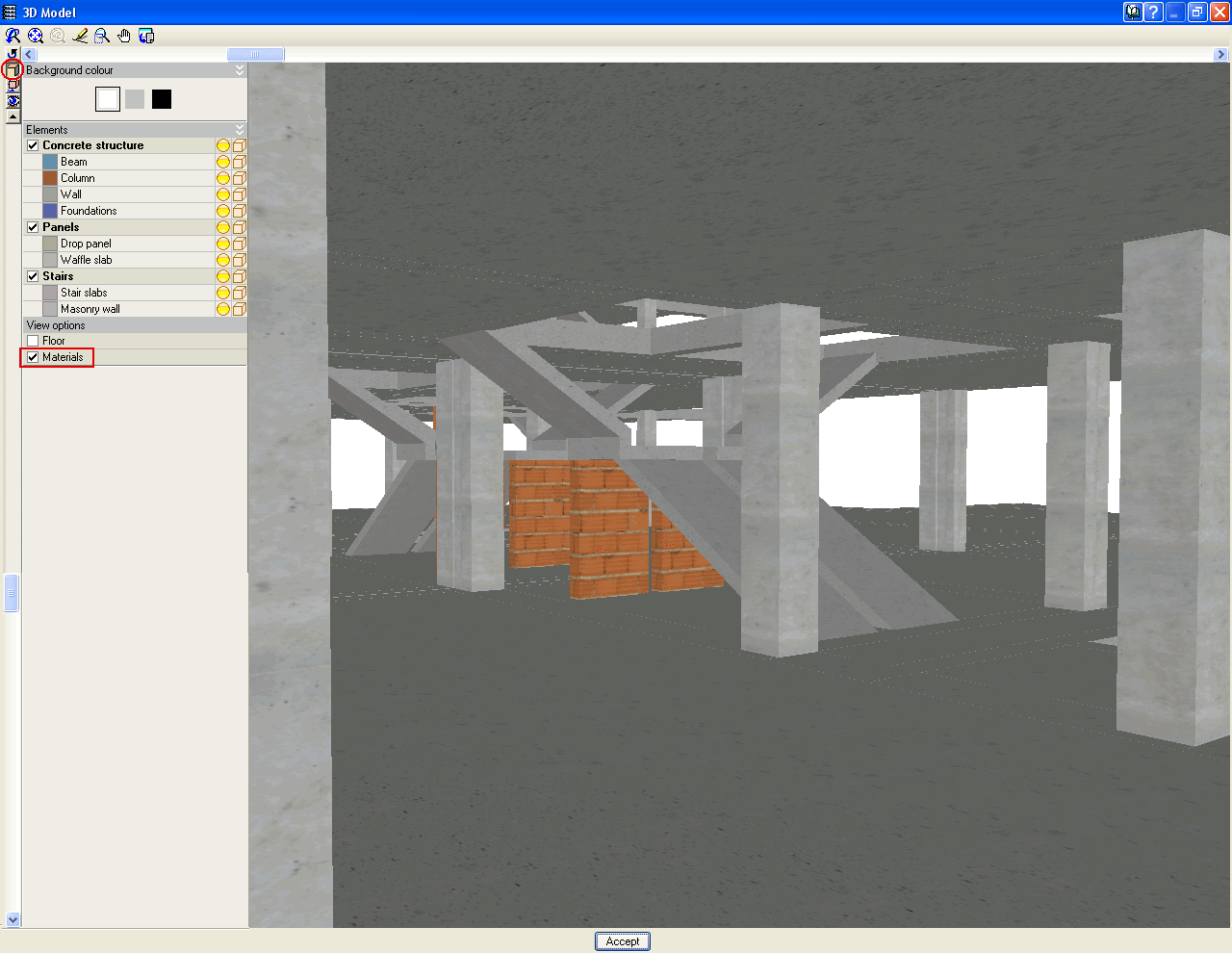
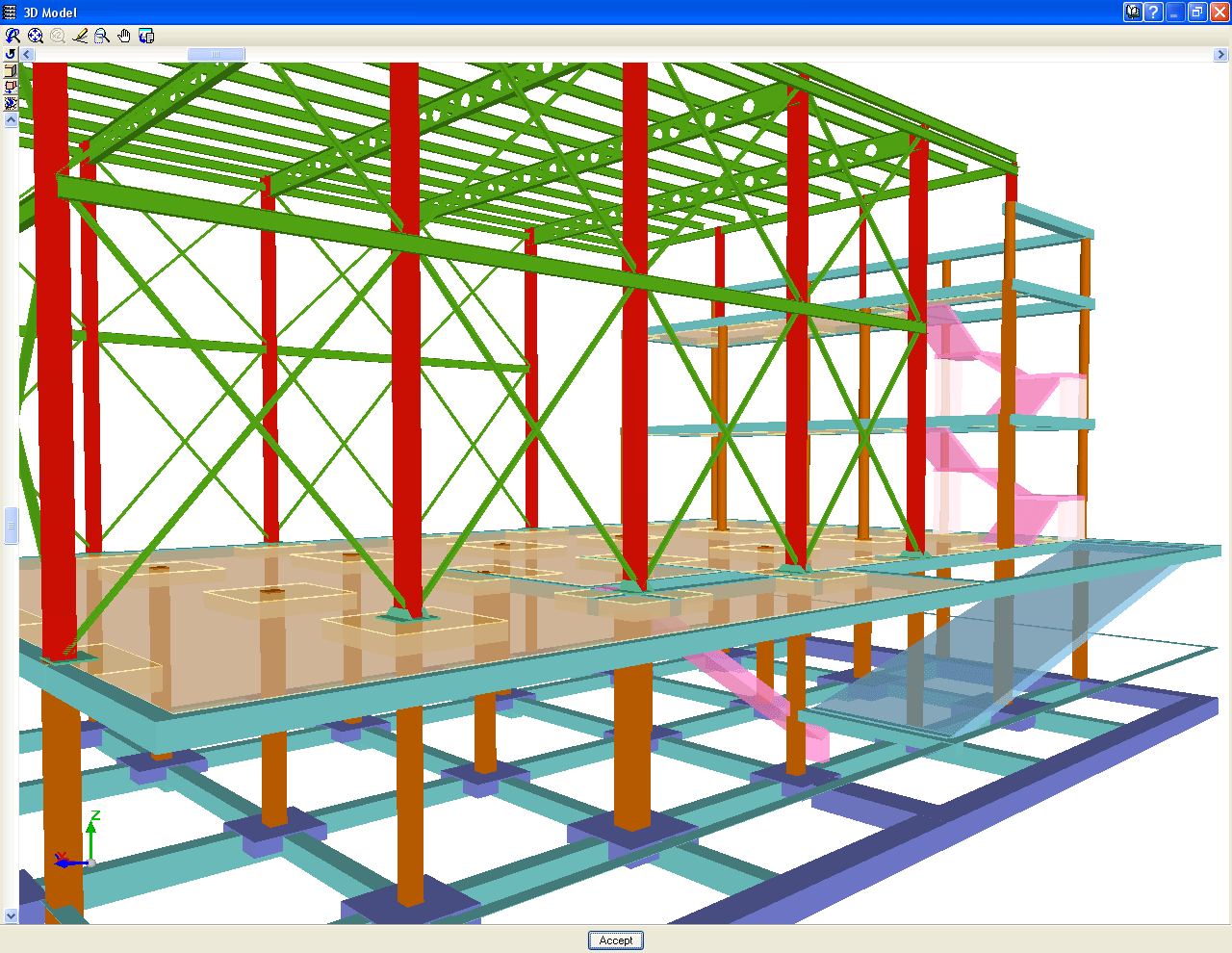
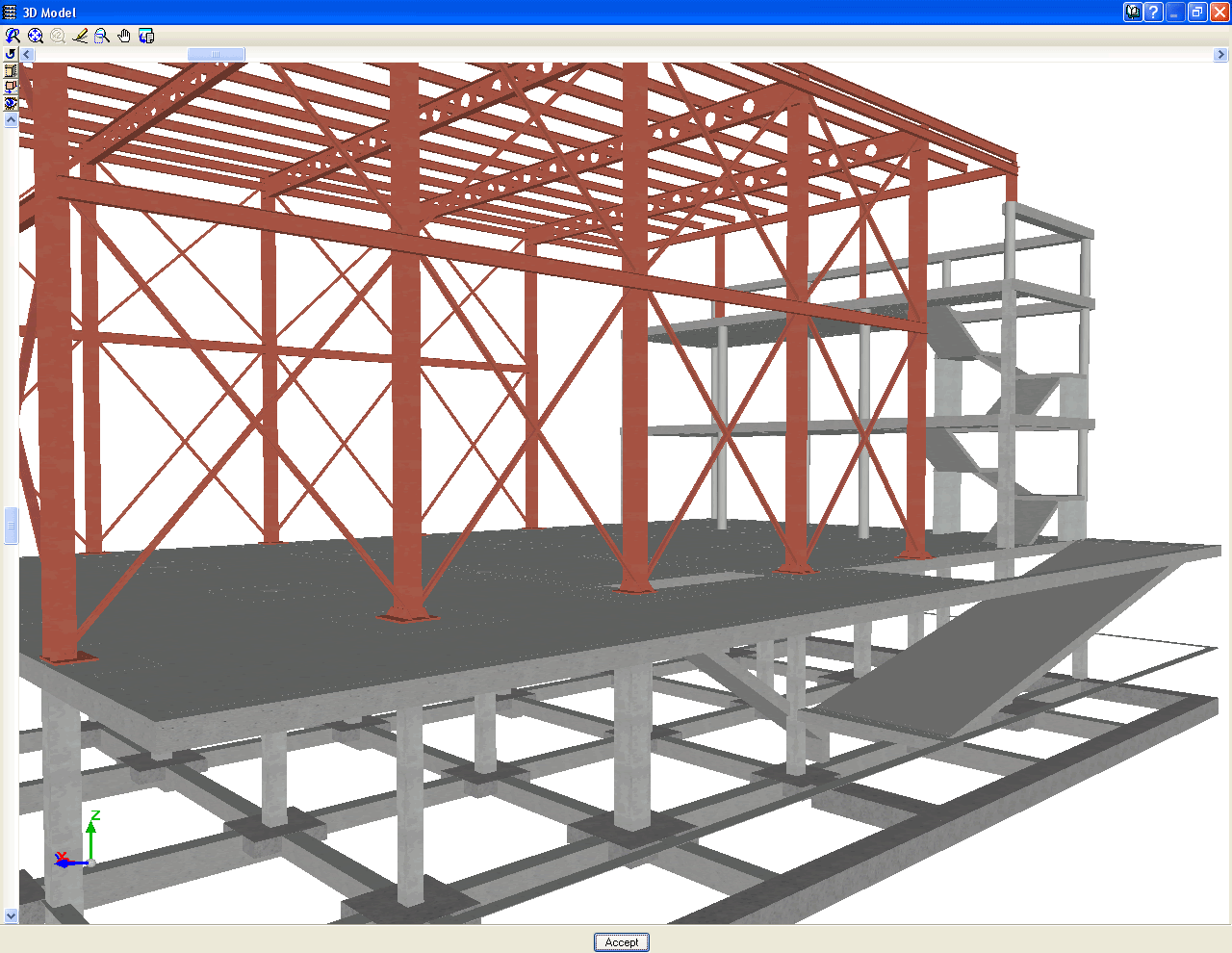
As of the 2011.a version, the 3D views of CYPECAD and Metal 3D contain a new option which displays elements with textures resembling the real colours of the material they are made out of. The user can choose to represent the 3D view with or without the materials:

  • Without materials
    Displays the materials that existed until now, which differentiated the elements of the 3D view, even if they consisted of the same material.
  • With materials
    Displays the elements of the 3d view with textures which resemble their real colours.

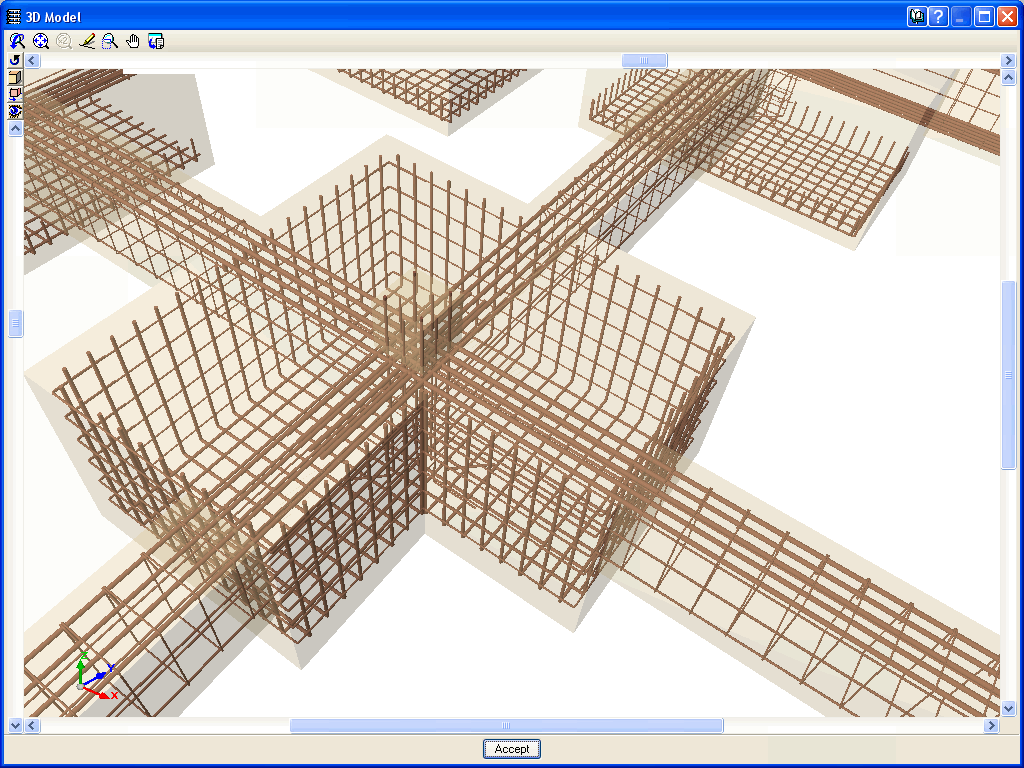
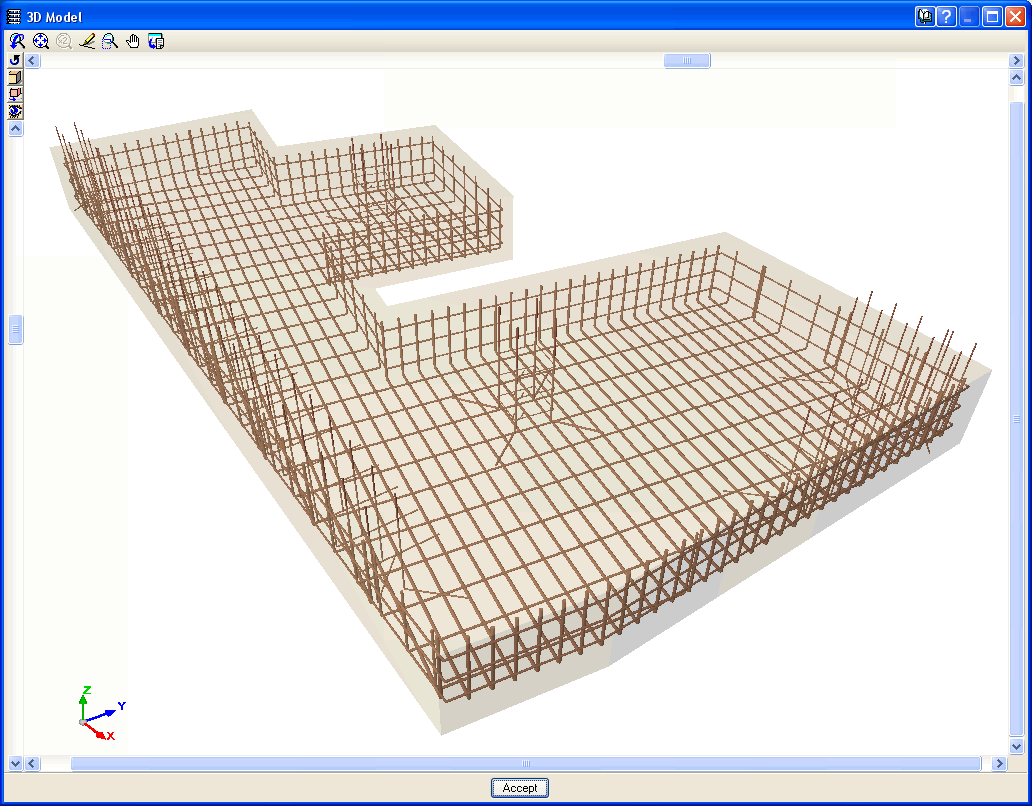
The Advanced design of surface foundations module complements the Footings and Pile caps modules when these are used in CYPECAD. Allows for the design of foundations composed of footings and pile caps with special element intersections (strap and tie beam intersections), geometrical trimming of footings, and application of line, point and surface loads on footings, pile caps and strap and tie beams. In the case of Metal 3D, this module only allows for trimming of the footing geometry to be carried out.

More information on this module can be found at:  Advanced design of surface foundations

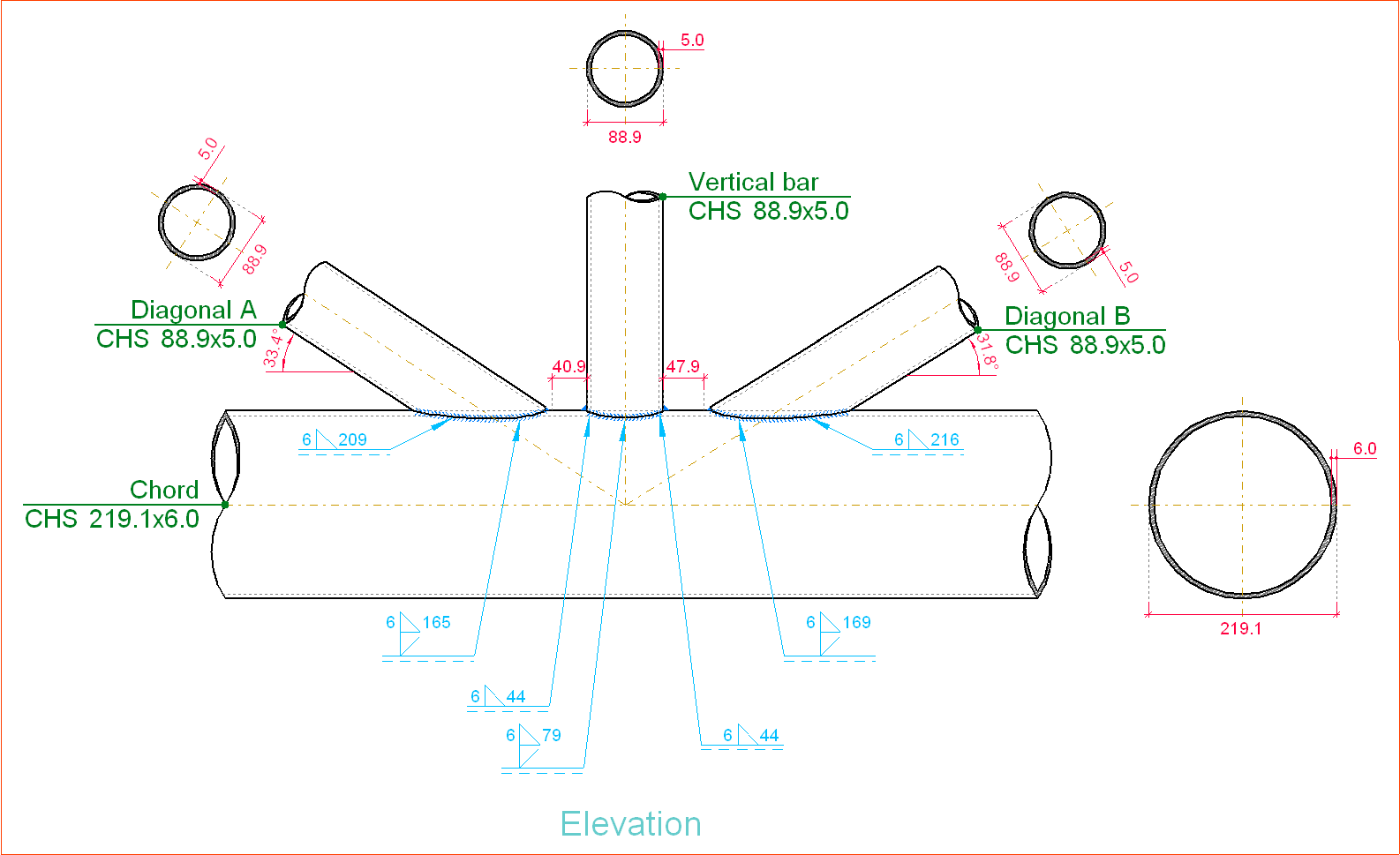
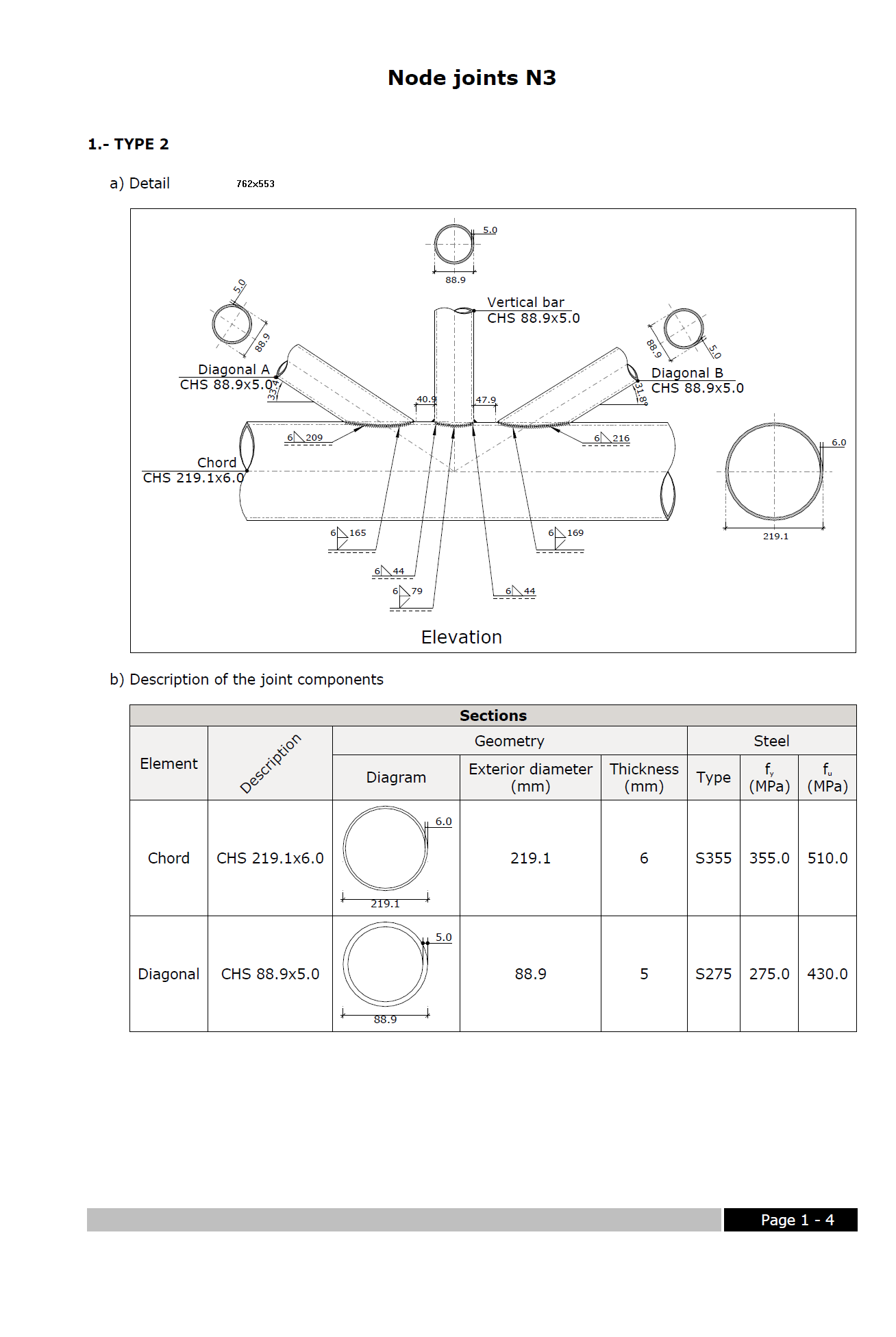
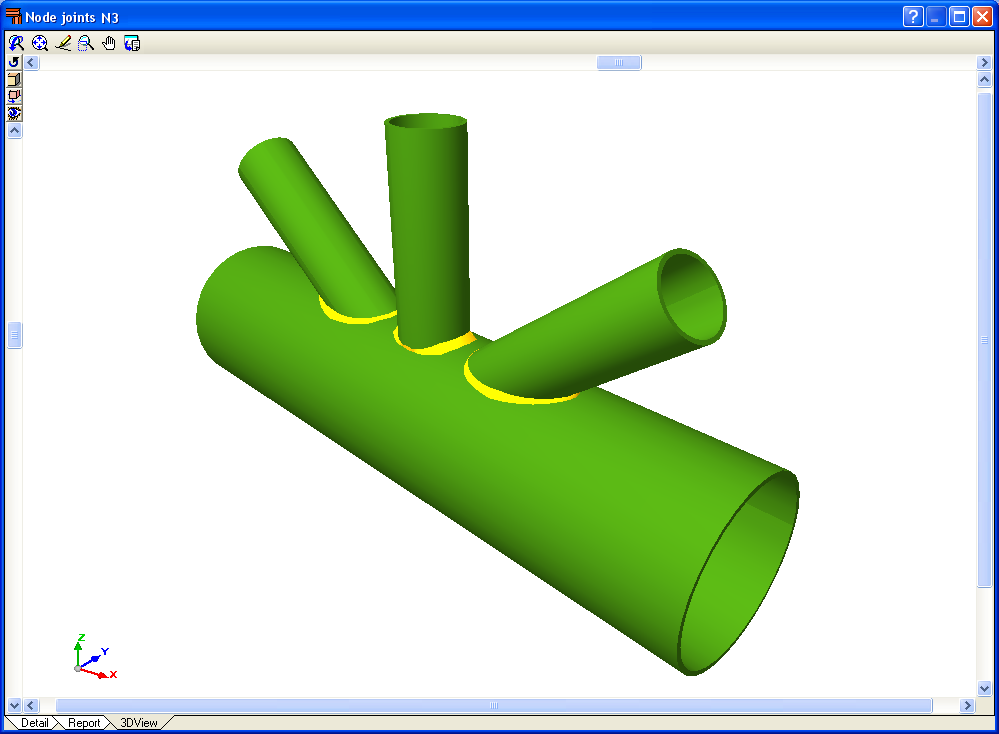
The Joints V. Flat trusses with hollow structural sections module for CYPECAD, its Integrated 3D structures and Metal 3D, carries out an automatic analysis and design of coplanar hollow structural section connections, like those which are usually provided in flat trusses.

More information on this module can be found at: Joints V. Flat trusses with hollow structural sections.

The new module Joints IV. Bolted. Building frames with rolled and welded steel I sections allows for the automatic design and analysis of the most common type of bolted connections of rolled and welded steel I sections in CYPECAD, its Integrated 3D structures and Metal 3D. More information can be found in the Bolted connections of rolled and welded steel I sections for building frames section (implemented codes, type of implemented connections…).

  • Export of aluminium elements

Metal 3D and Integrated 3D structures of CYPECAD allow for designed aluminium elements to be exported to Tekla StructuresTecnoMetal 4D and to CIS/2 format.

More information on the elements CYPECAD, Metal 3D and Integrated 3D structures of CYPECAD can export to these programs can be found at Export to Tekla Structures, Export to TecnoMetal 4D and Export to CIS/2 format.

As well as the check for cracking that can be activated for concrete beams in previous versions, the check for cracking has been added for the following concrete reinforced concrete elements:

  • Sloped beams
    The check for cracking in sloped beams is activated with the same option as for all concrete beams (Job > Beam options > Cracking Code check)
  • Strap and tie beams
    The check for cracking for strap and tie beams is activated in Job > General data > By position button > Foundation tab> Strap and tie beam options button > Code check for cracking
  • Footings
    The check for cracking for pad footings is activated in Job > General data > By position button > Foundation tab > Strip and pad footing options > Code check for cracking

For codes BAEL-91 (R-99)CIRSOC 201-2005 and ACI 318 M-08, it is verified that the tension in the reinforcement does not exceed that stated in the codes. The user classification is taken into account (cracking causing little harm, Harmful or Very harmful). Cracking control in common beams (CYPECAD) is adapted to the criteria of the code.

For the remaining codes, the fissure aperture is calculated, also checking that this value is less than the admissible maximum, which may be edited by the user.

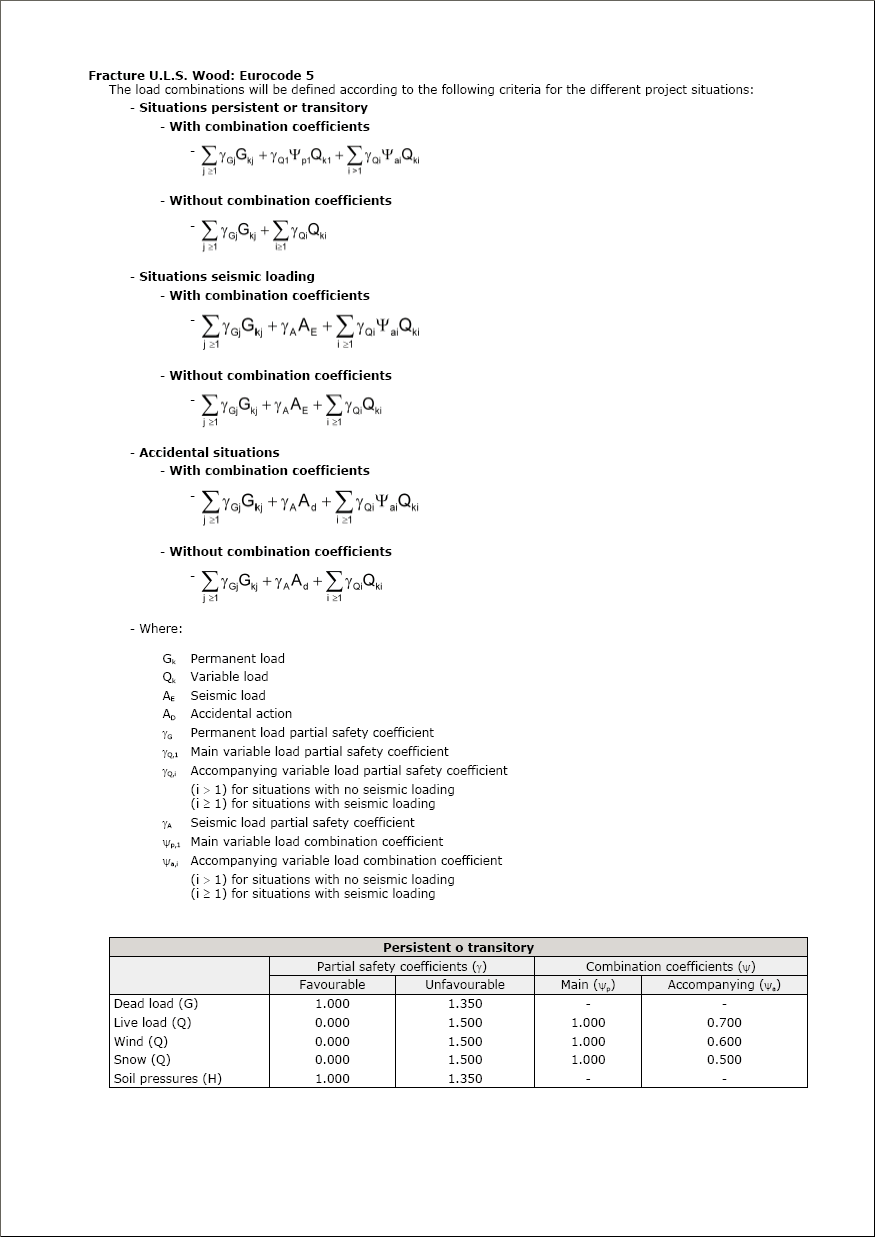
The load combinations are automatically generated in accordance with the concrete code, depending on the data introduced in the Limit states dialogue: Job > General data > Limit states (combinations) button.

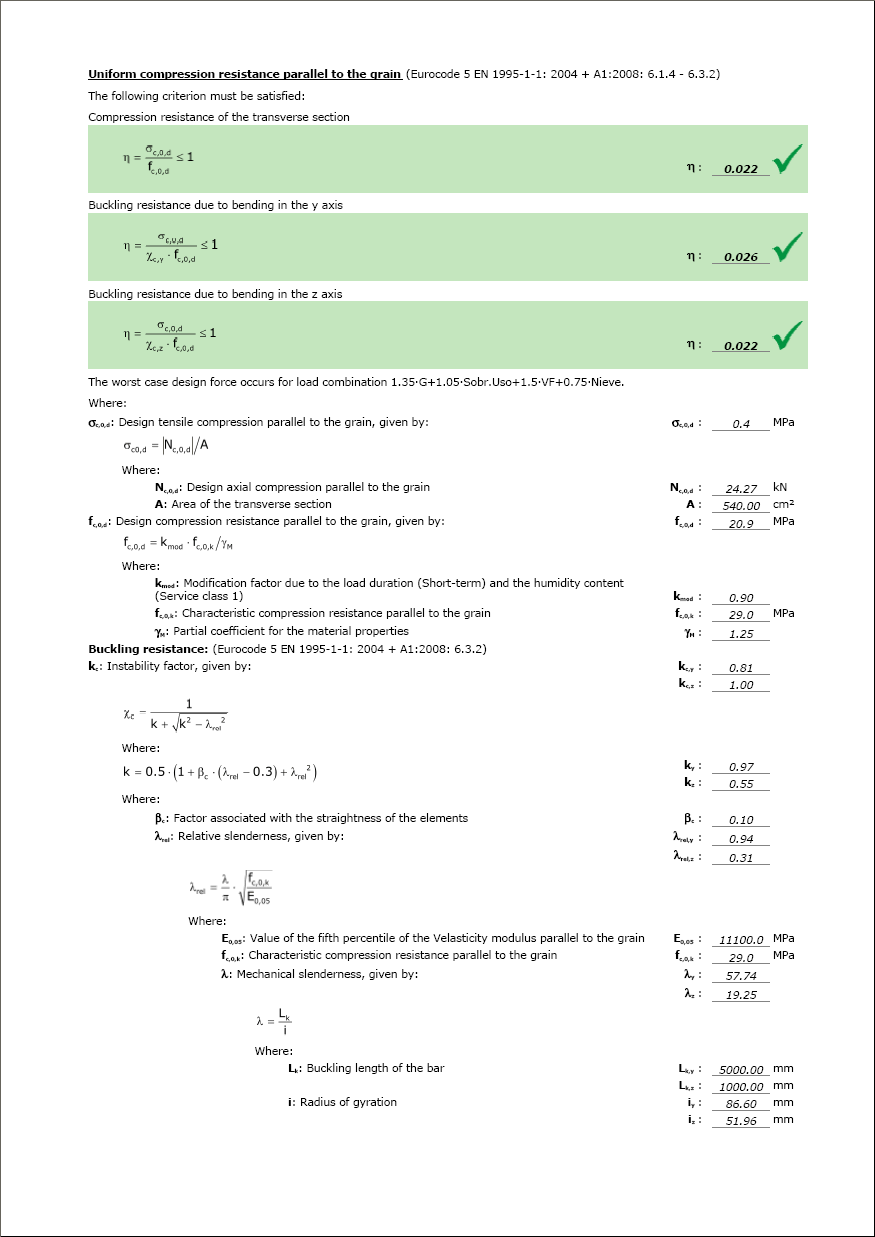
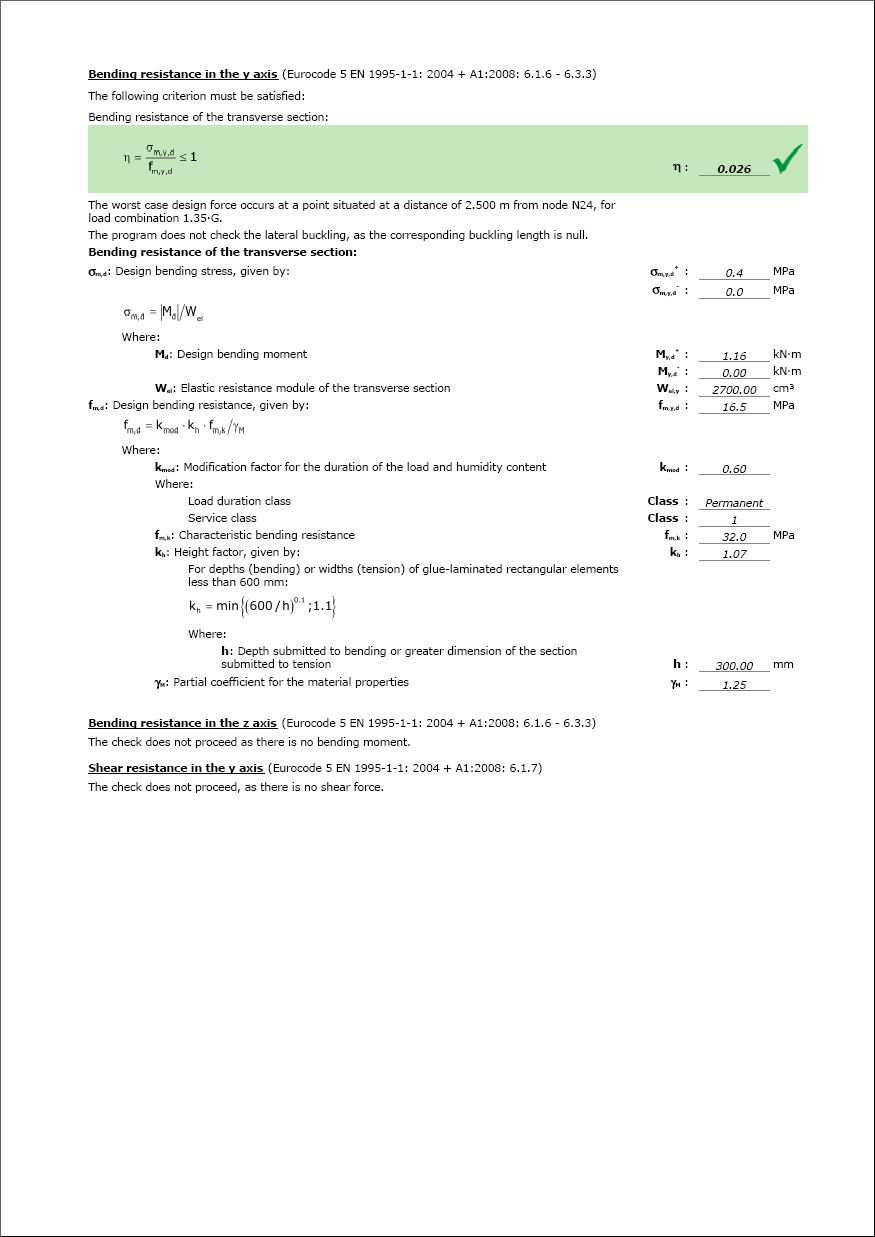
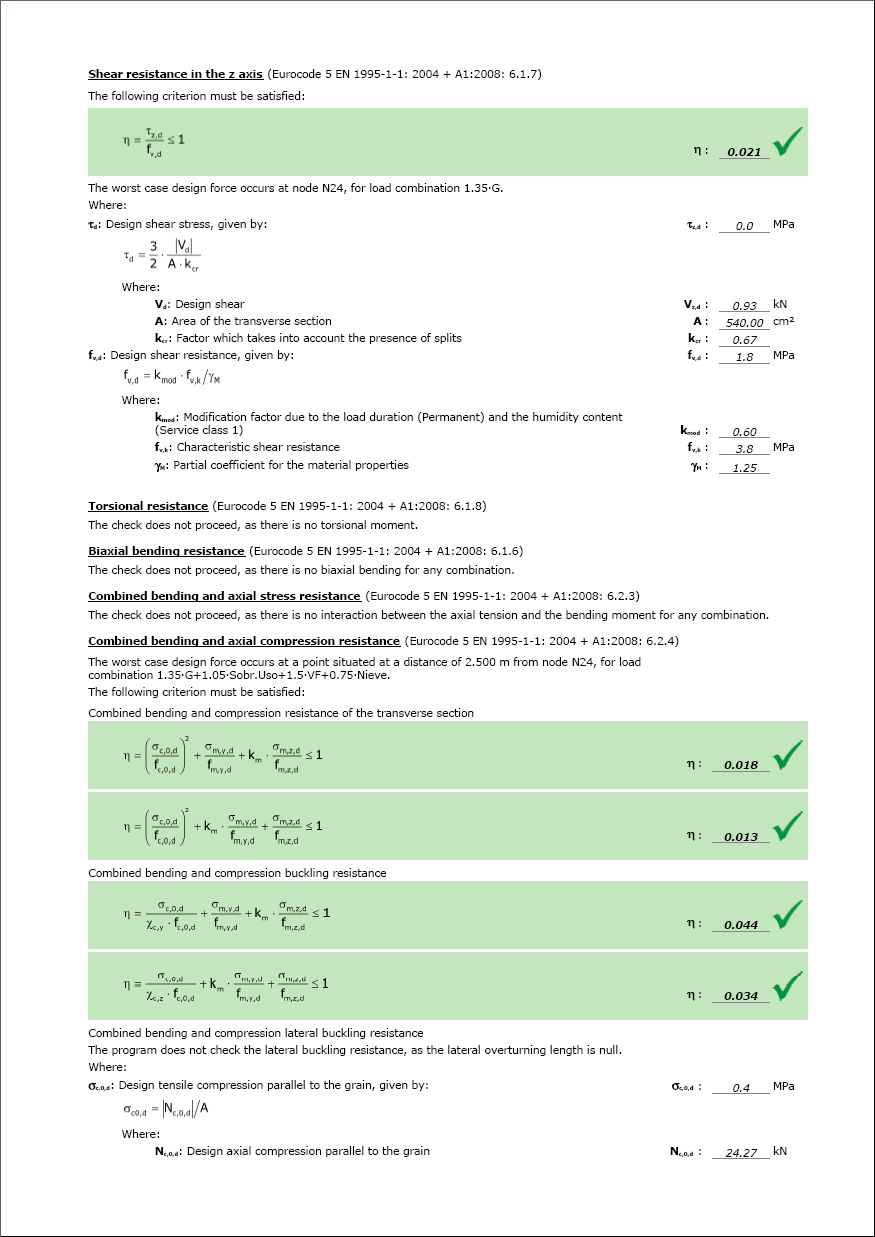
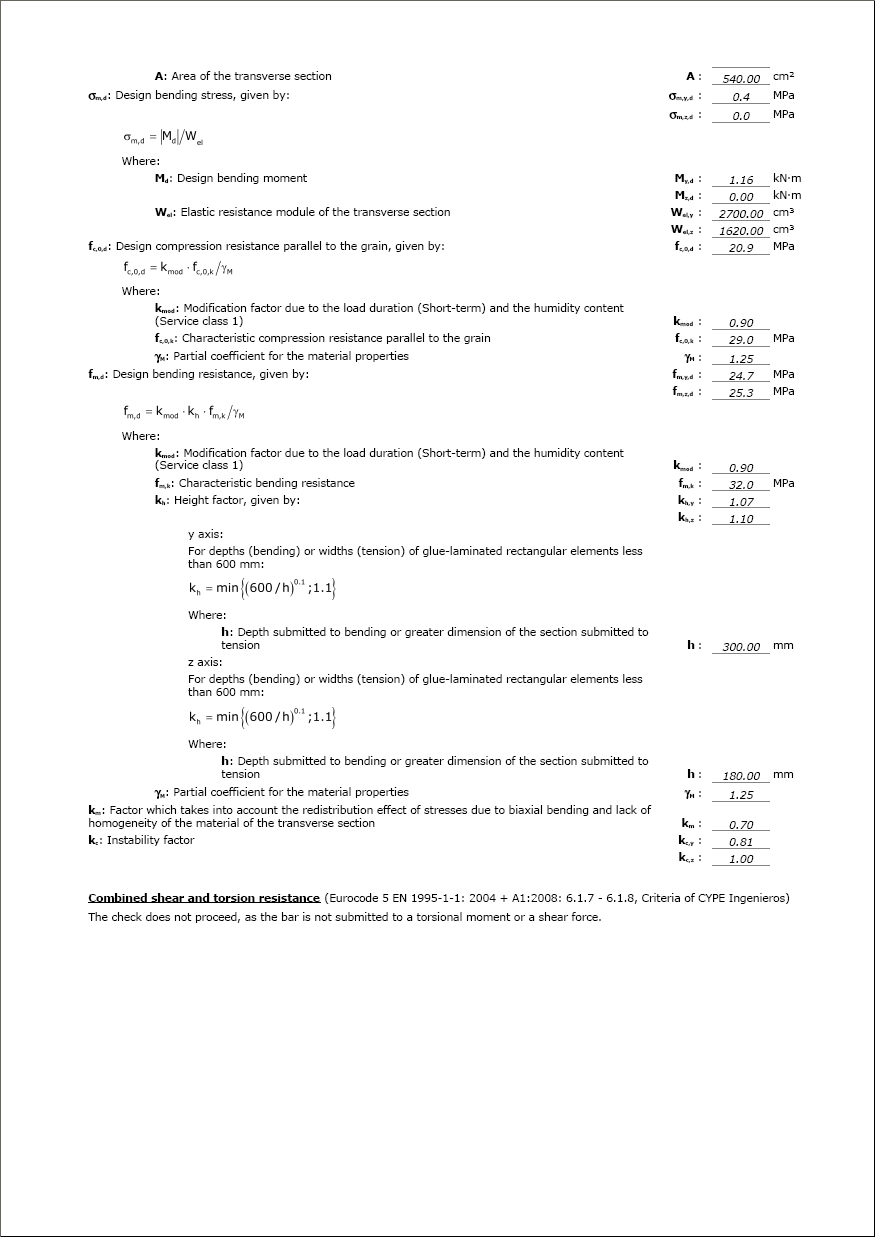
The classification of the combinations with respect to the duration of the load has been improved. This improvement is important for the resistance calculation of wooden sections.

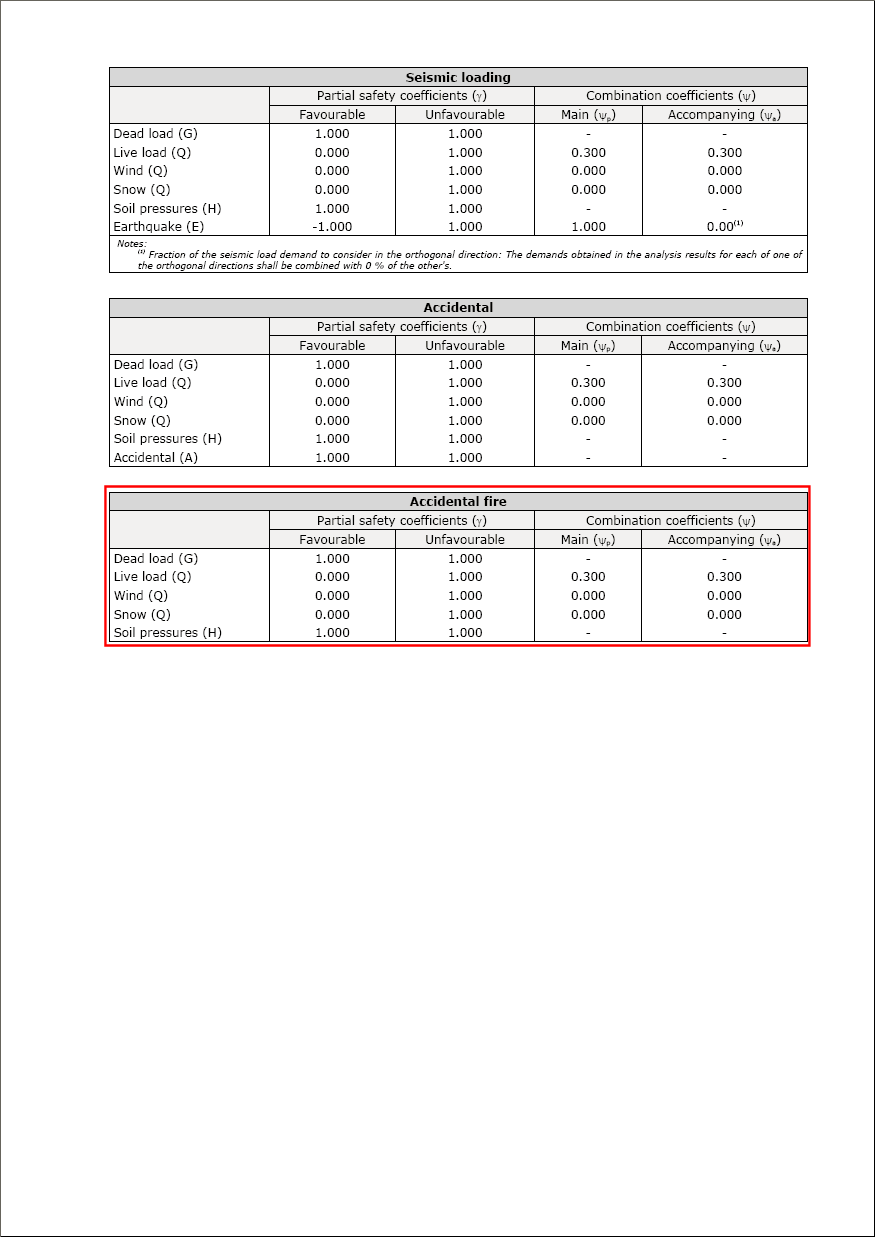
The automatic generation of accidental fire combinations for wood has been implemented according to the codes for wooden sections: CTE (Spain), Eurocode and NBR 7190 (Brazil).

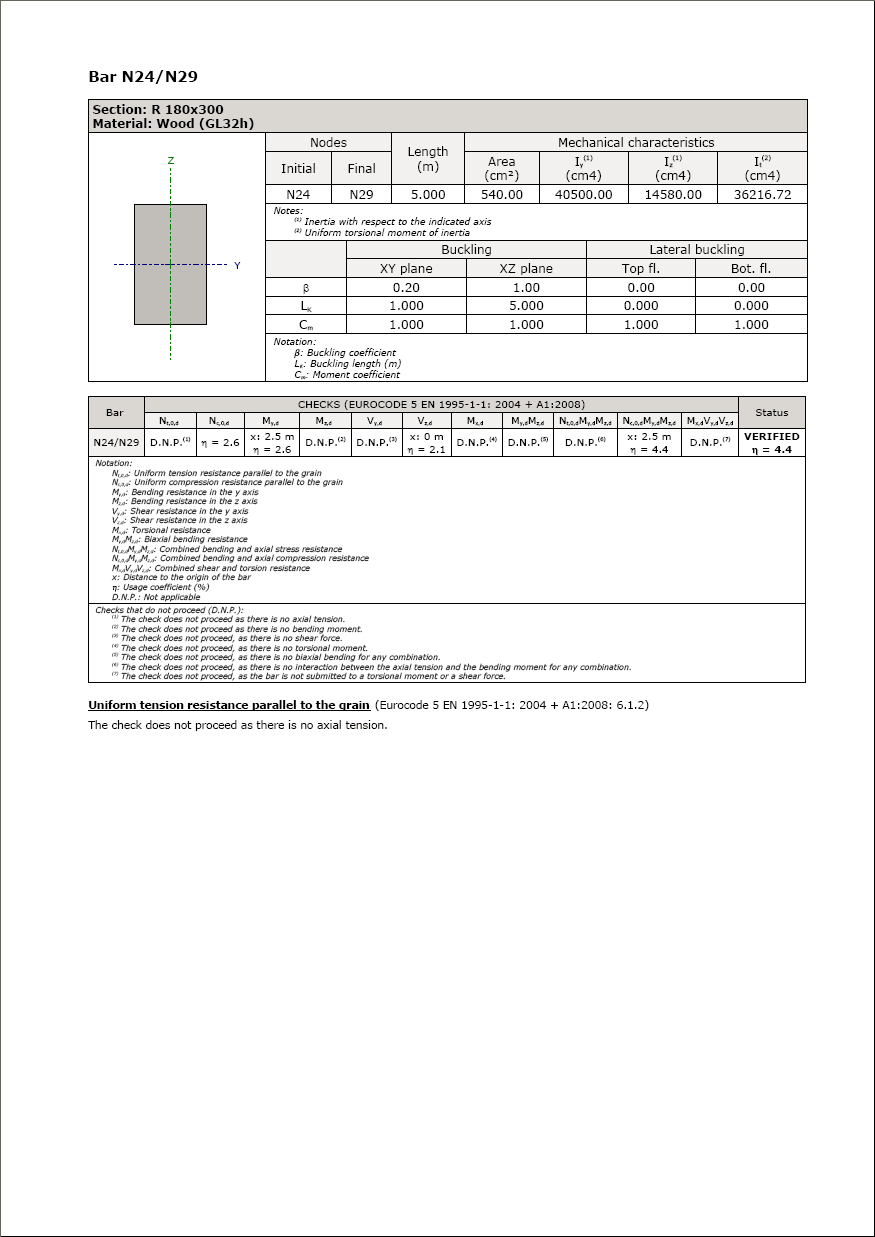
The ultimate limit state (ULS) check reports for wooden sections have been implemented for when analysing using the CTE. In this reports, a check is carried out on the resistance for outdoor temperatures situations and for fire situations (this last check if the user has activated the check for fire resistance).

When beams pinned to the web of a column interfere with any stiffeners that are present due to beams fixed to the column flanges, the joint is designed in such a way by the Joints I. Welded. Warehouses with rolled and welded steel I sections and Joints II. Bolted. Warehouses with rolled and welded steel I sections modules that one of the flanges, both or even part of the web of the pinned beam is trimmed if necessary.