
Update history​​

CYPECAD

After carrying out the complete analysis of the job, the information of the concrete volumes can be exported to the BIM project. To do this, the "Quantities" option has been implemented in the "Share" dialogue box that appears when the "Share" option is clicked in the "BIMserver.center" menu.

The export of concrete quantities to the BIM model can be imported and interpreted by other tools such as Open BIM Quantities.

In Open BIM Quantities, this data can be used for carrying out the bill of quantities of the concrete used in the project.

The portal frame generator makes extensive use of all the available processors. This can significantly slow down the performance of other programs that are installed on the device while the program is designing the frames. In order to avoid this, an option has been added (Project menu > General options) that allows users to establish the number of processors that the program will not use while it is designing the frames.

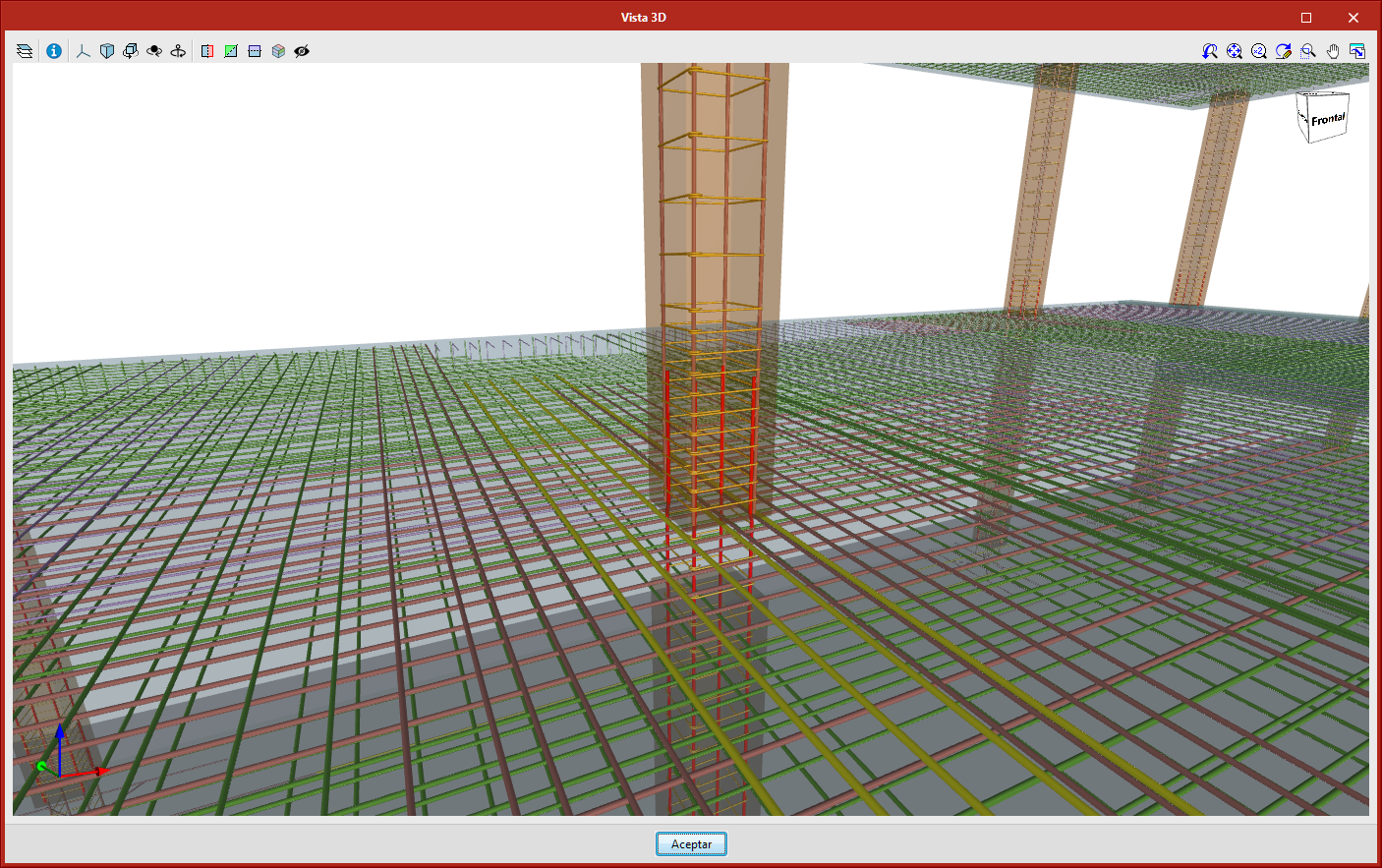
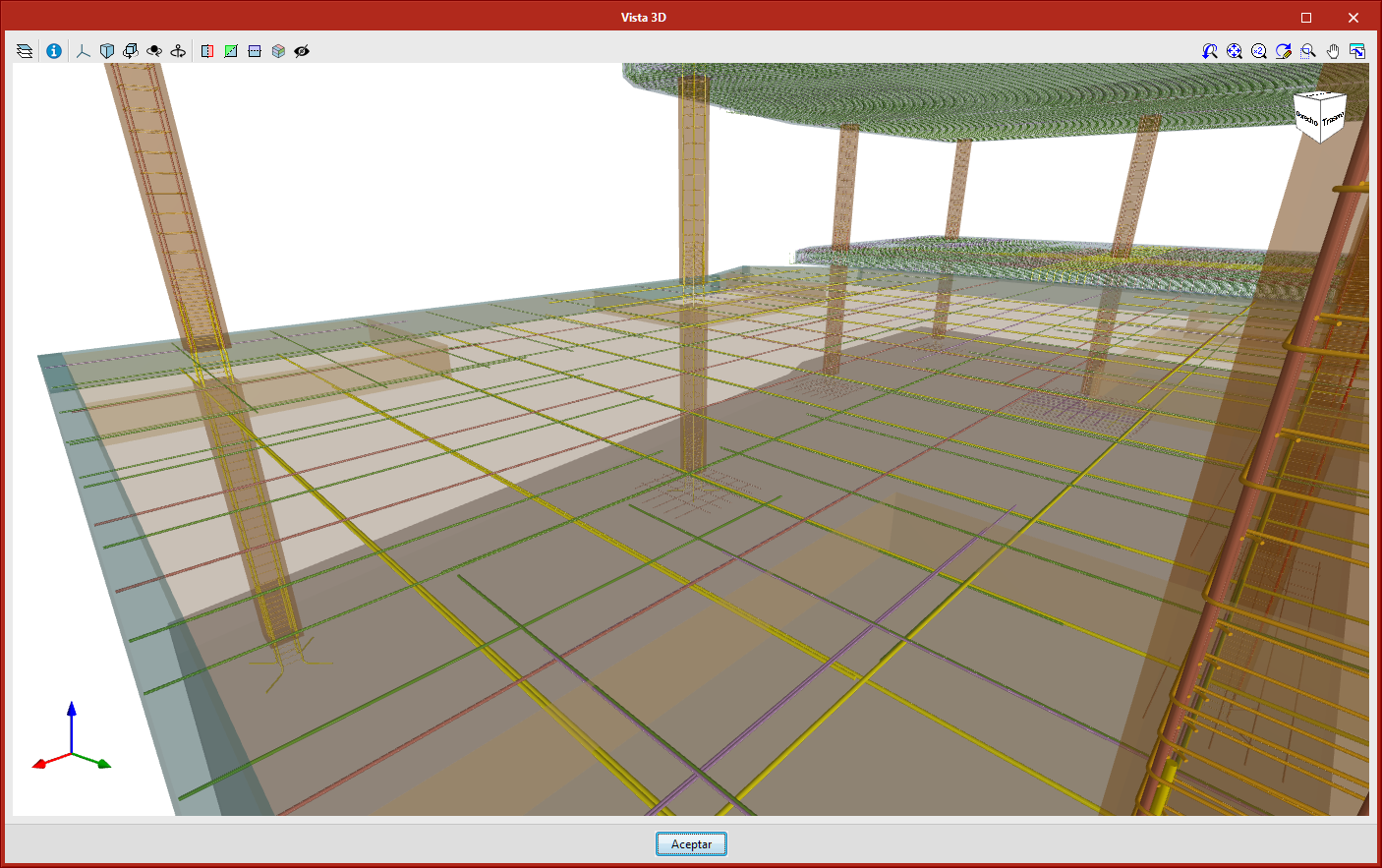
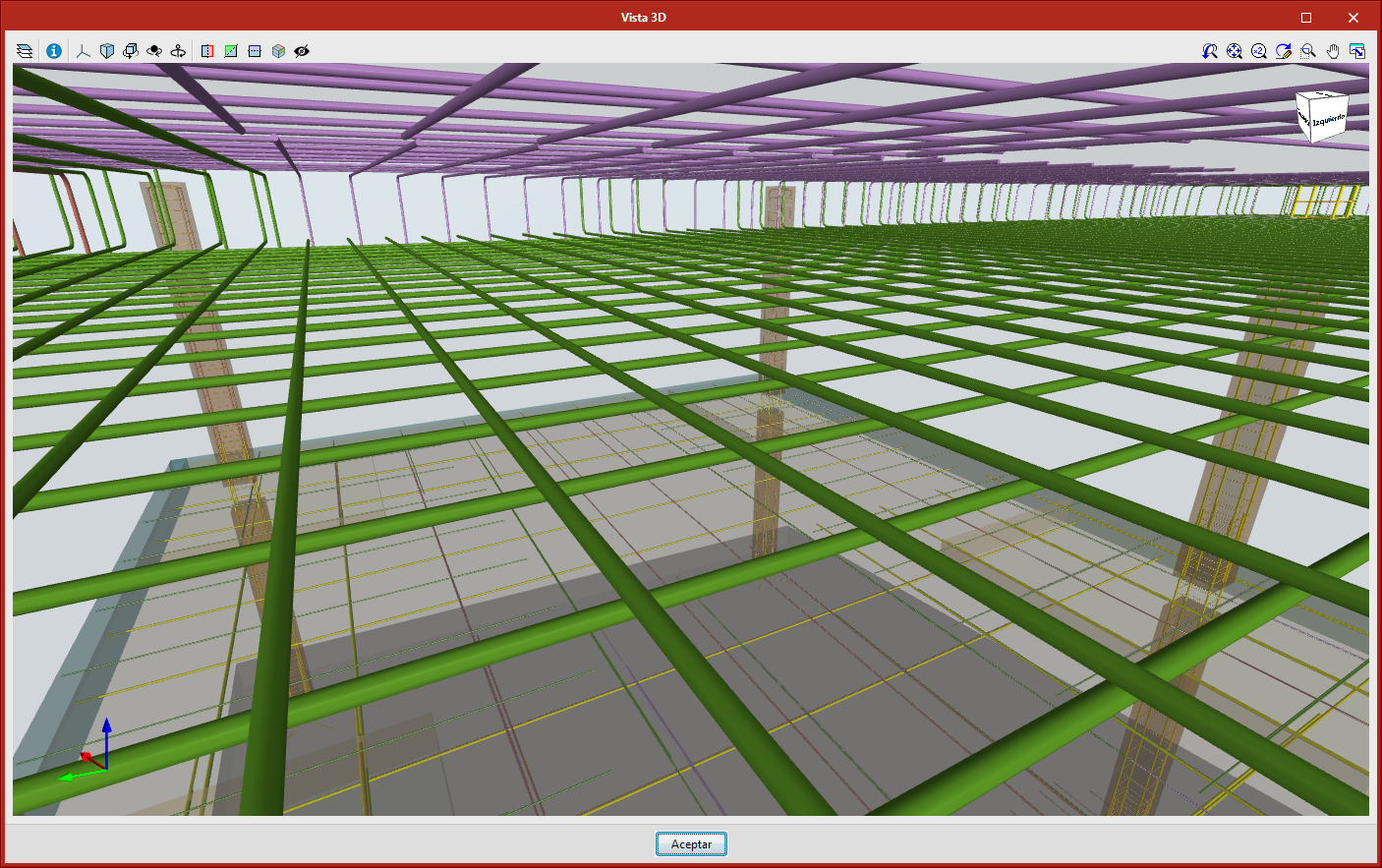
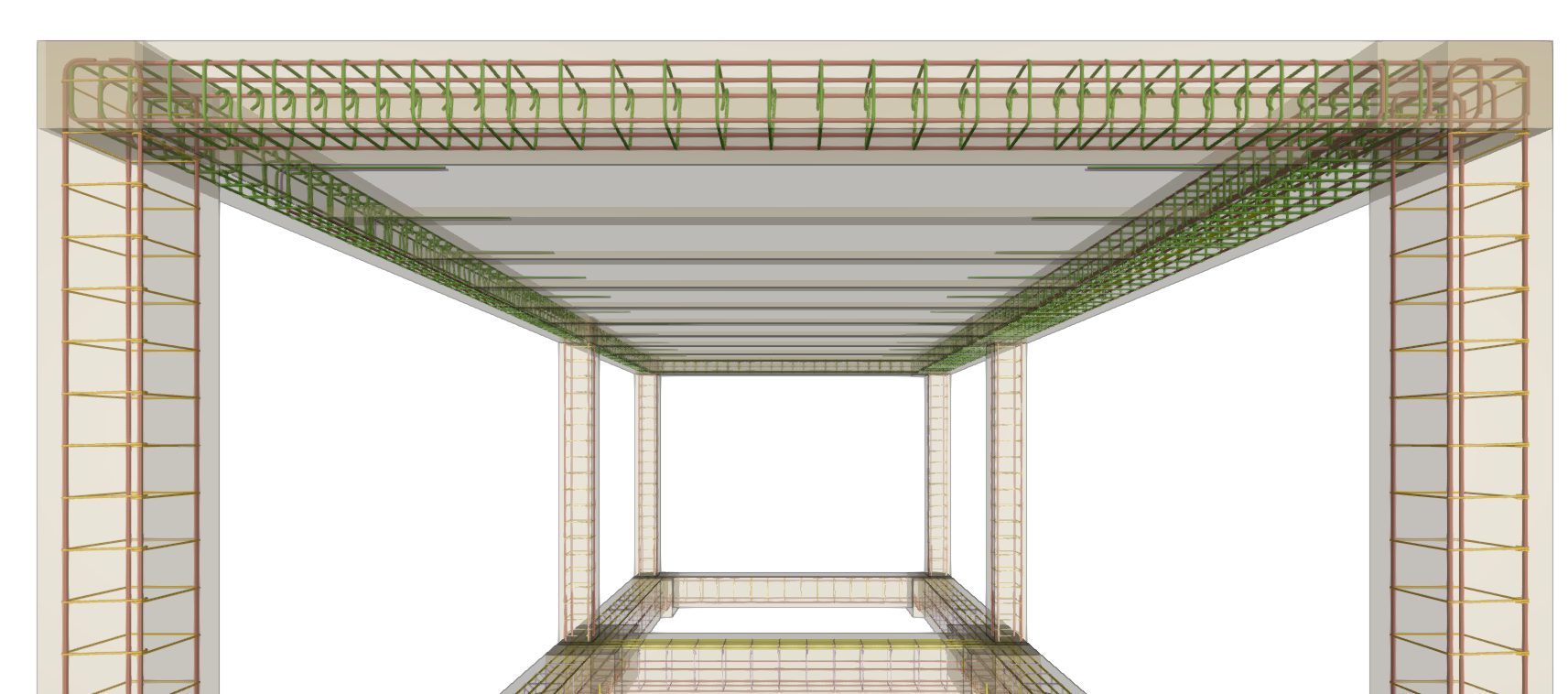
CYPECAD version 2022.f allows users to export additional rebars of reinforced concrete beam frames to the BIM project.

Therefore, the concrete elements that export their reinforcement to the BIM project up to this version are:

  • Beam frames
  • Columns
  • Corbels
  • Foundation elements
    Footings, pile caps, strap beams and tie beams.
  • Floor slabs
    Joist, waffle, hollow-core plate, composite, and flat floor slabs.

This reinforcement can be viewed, along with the reinforcement exported from StruBIM Shear Walls, in the StruBIM Rebar program.

They can also be viewed in the "Results" tab (Groups menu > 3D view with details).

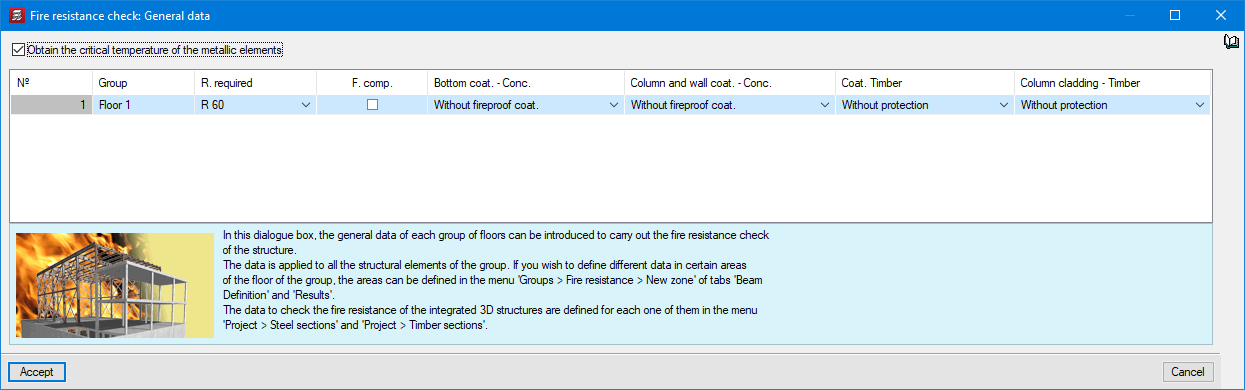
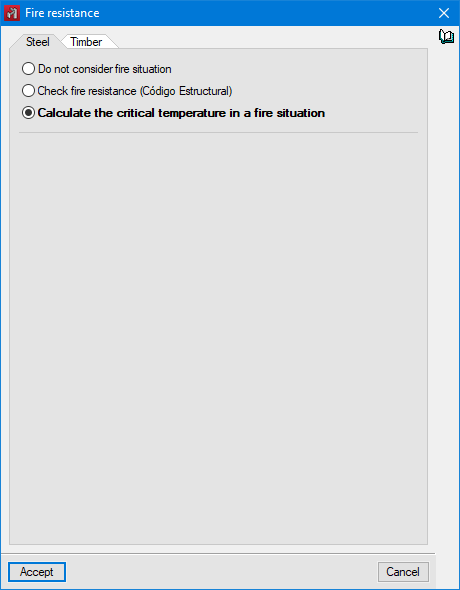
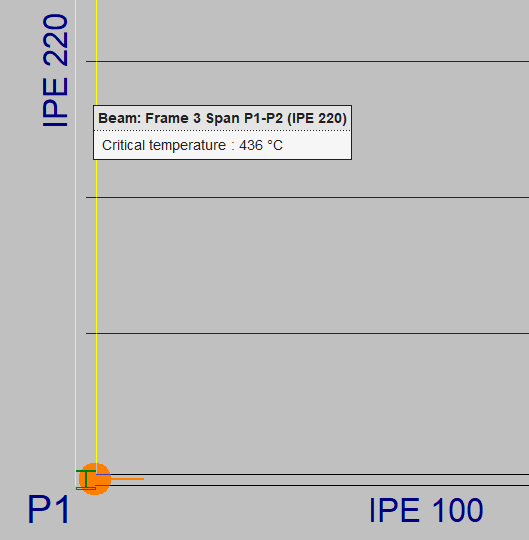
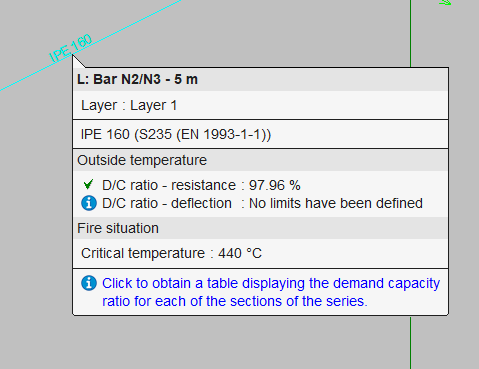
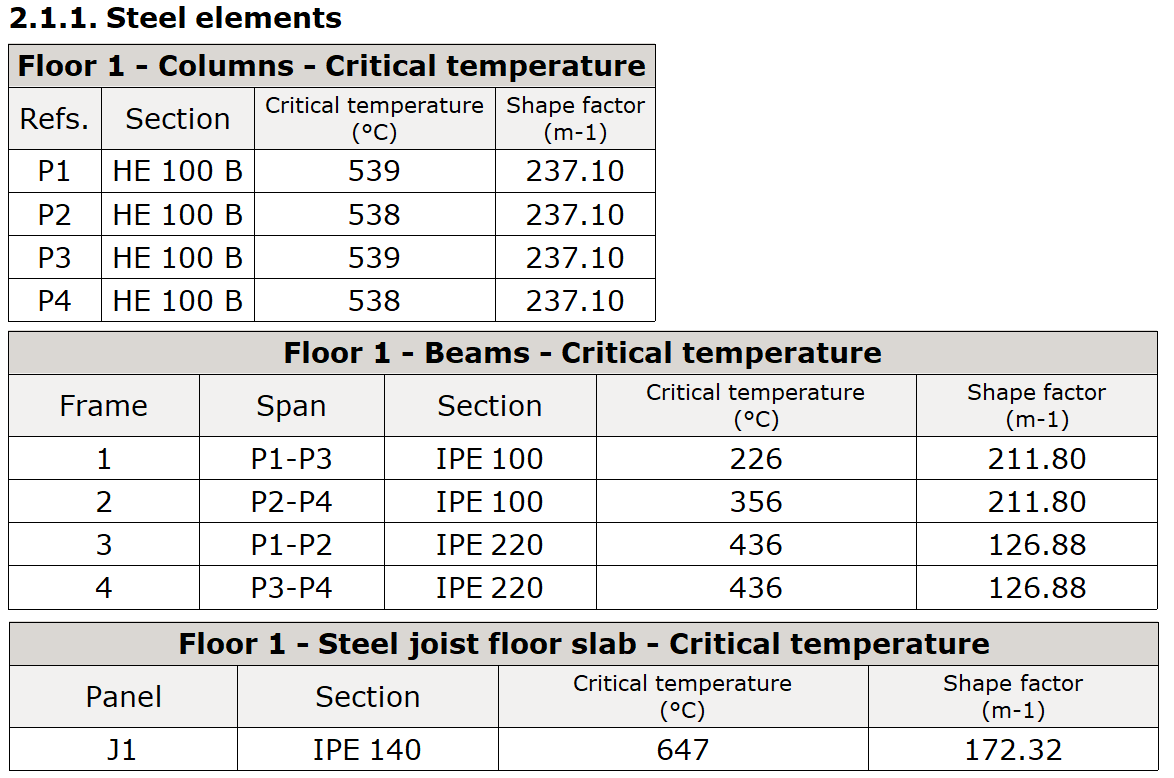
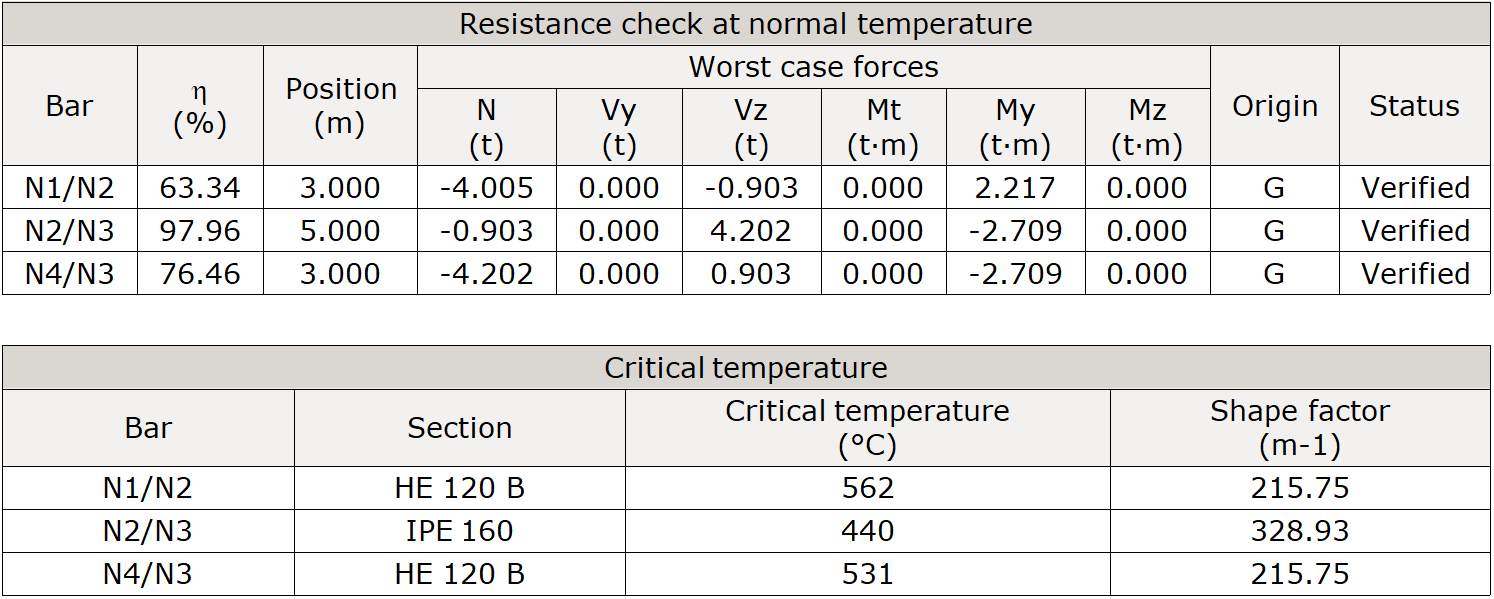
As of version 2022.f, CYPECAD and CYPE 3D allow the critical temperature of steel sections to be obtained for fire situations. The value of the temperature that each section must reach for collapse to occur is calculated by means of an iterative procedure, taking into account the combinations established by the code selected for the fire situation as well as the mechanical properties of the steel at elevated temperatures.

The results can be checked on screen, or in a summary table that includes the critical temperature and the shape factor corresponding to each of the structure's sections. This facilitates the use of catalogues of manufacturers of intumescent paint in order to obtain the thickness necessary to ensure that the load bearing capacity of the structure is maintained for the time required by the applicable fire code.

Since the critical temperature value of a section depends on the demand capacity ratio or demand factor of the section, this new feature is an excellent tool for optimising the total cost of the structure including its passive protection for the required fire resistance time.

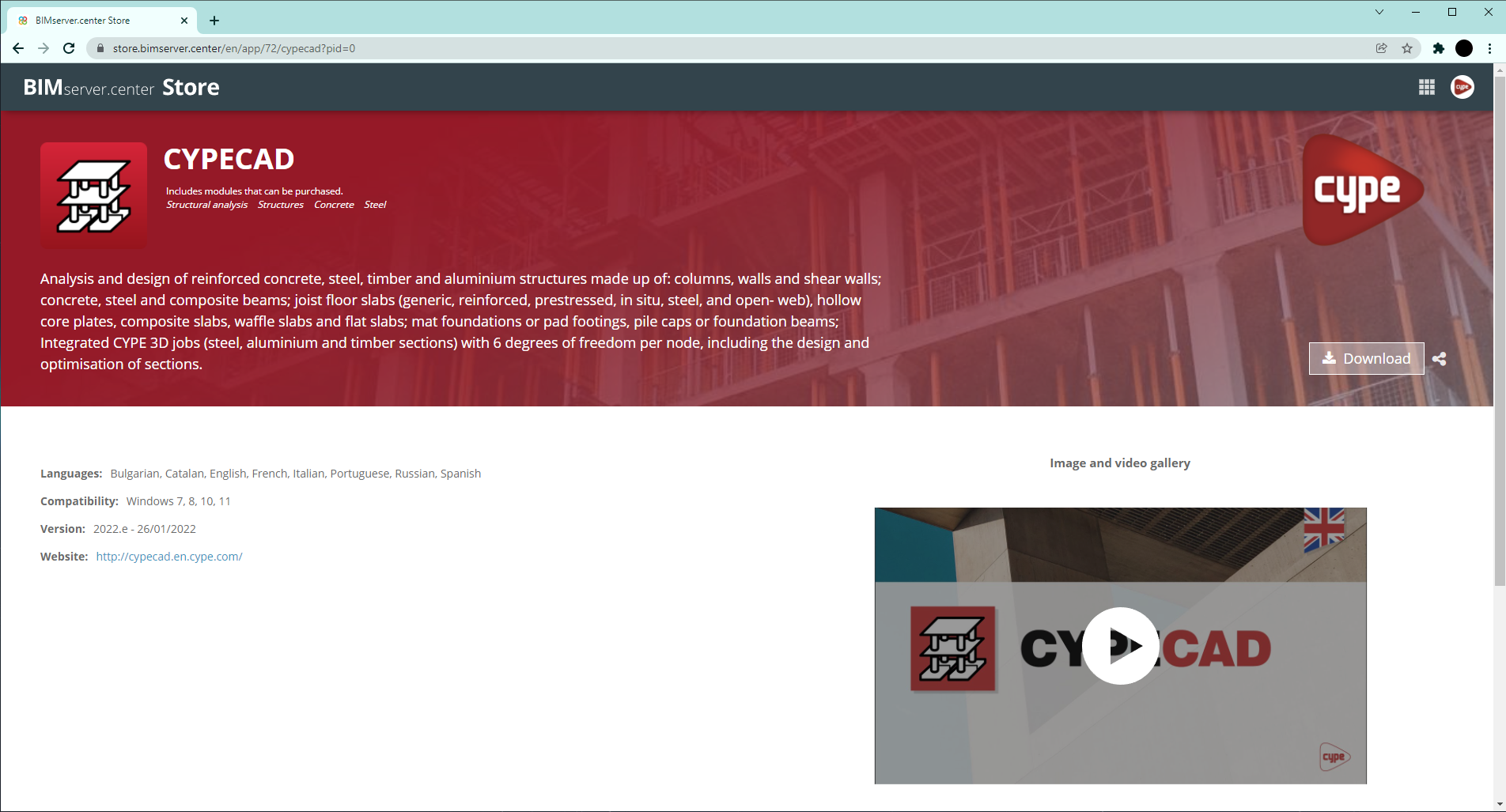
From 26 January 2022, the CYPECAD application is available for download from the BIMserver.center Store.

Therefore, CYPECAD can be installed by downloading the complete classic package from the download area of the CYPE website (11 GB) or by downloading CYPECAD (9.5 GB) from the BIMserver.center Store.

From this moment on, other applications from the classic CYPE package will be included in the BIMserver.centre Store for individual download.

The advantage of downloading from the BIMserver.center Store is not only that the individual downloads are more lightweight than the complete classic package, but also that it allows users to work with different versions of CYPECAD and other applications from the complete classic CYPE package.

Version 2022.d of CYPECAD includes minor improvements and corrections of the program for certain cases:

  • An error that could occur in the "Punching shear - Summary of all the element checks" option if floor slabs were defined in the floor plan on several levels has been fixed.
  • An error that occurred during column design when there was no valid reinforcement diameter for a certain column due to the configuration of "Column reinforcement tables" has been fixed.
  • An error that could occur when importing BIM models depending on the concrete code selected by default has been fixed.
  • The warning concerning the impossibility of deleting a wall if another wall starts on top of it has been improved.
  • An error in the generation of cells of block walls that could occur when the thickness of the block walls is high has been solved.
  • An error that could occur in rare situations when checking the rotational stiffnesses of connections has been fixed.
  • An error in "Configure combinations for each limit state" in projects following the Spanish code "Código Estructural" has been fixed.
  • Certain error warnings in the beam frame design process have been improved. These warnings could be confusing if they arose in frames that had been rearranged.

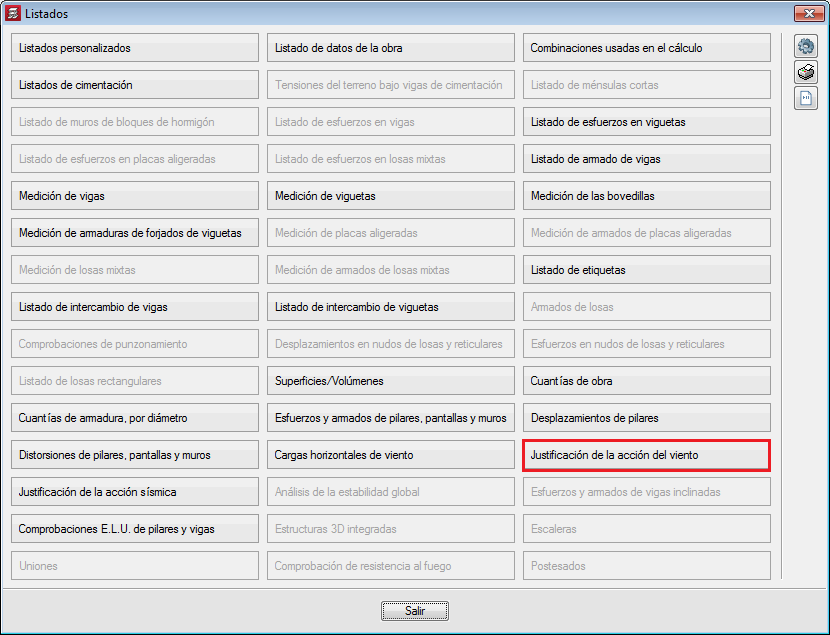
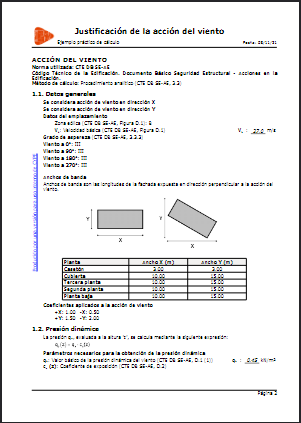
As of version 2022.d, CYPECAD can generate a wind action justification report for Spanish building code "CTE DB SE-AE".

"Código Estructural (Real Decreto 470/2021)".

Implemented in CYPECAD and CYPE 3D, for analysing and designing steel structures.

In the previous version (2022.c), this was already implemented in CYPECAD, CYPE 3D, Reinforced concrete cantilever walls, and Embedded retaining walls, for analysing and designing concrete structures; and in CYPE Connect Steel and StruBIM Steel for analysing and checking steel connections.

CYPECAD version 2022.c includes other minor improvements and corrections of the program that may occur in rare situations:

  • As of version 2022.c, the buckling height of each span can be modified when editing concrete walls and shear walls.
  • The "Maximum value" and "Minimum value" of "Contour plots - Ground bearing pressures - By loadcase" can be selected.
  • An error that did not include columns starting on beams or mat foundations in groups above the foundation in the foundation load distribution has been fixed.
  • An error that occurred when exporting the project to the BIM model after assigning shear walls and not reanalysing the project has been fixed.
  • An error that occurred when entering a generic column that has three points with very close X or Y coordinates (< .0001 m) in its outline but which are not the same, has been fixed.
  • The "Job ratios" and "Reinforcement quantities, per diameter" reports have been improved. Now, the bottom reinforcement of composite slabs is included in its section. Previously, it was included in the "Joist slabs" section.
  • The "Form quantities report" has been improved. Now, the depth value of the form is displayed without being rounded.
  • An error that did not allow stairs with one of their ends on a column to be defined has been fixed.
  • An error in the 3D view and in the export to BIMserver.center that occurred in certain cases in jobs when there were beams defined under floor slabs has been fixed. This error occurs in version 2022.b due to changes made to optimise the 3D view and the export to BIMserver.center.
  • An error that occurred when viewing haunches in 3D and when exporting them to BIMserver.center has been fixed. This error occurs in version 2022.b due to changes made to optimise the 3D view and the export to BIMserver.center.
  • The export of the deformed shape to BIMserver.center has been improved. Sometimes, it was exported in a rotated position compared to the structure.
  • An error that occurred when obtaining the foundation layout plan has been fixed. This could occur when there are several walls with strip footings connected to others with pad footings in the foundation.

As of version 2022.c, if concrete codes ACI 318M-14 or ACI 318M-19 are selected, the structure can be analysed and designed based on the requirements from Dominican Republic code R-001 2011 (Reglamento para el Análisis y Diseño Sísmico de estructuras) as well as those from El Salvador code NTDS 1997 (Norma Técnica para Diseño por Sismo).

New option available in "Column definition > Introduction > Columns, shear walls and starts" that allows visible columns, shear walls and starts to be selected according to their initial and/or final group. It only affects the onscreen display of these elements, which can be useful in projects containing a large number of columns and shear walls, to use the tools from the new option on a reduced group of them.

In the current version, CYPECAD exports reinforcement for the following types of elements:

  • Columns.
  • Corbels.
  • Foundation elements: footings, pile caps, and strap and tie beams.
  • Floor slabs: joist floor slabs, waffle slabs, hollow core plate floor slabs, composite slabs and flat slabs.

These reinforcements can be viewed, along with the rebars exported from StruBIM Shear Walls, in the StruBIM Rebar program.

CYPE Mentor