
Update history​​

StruBIM Steel

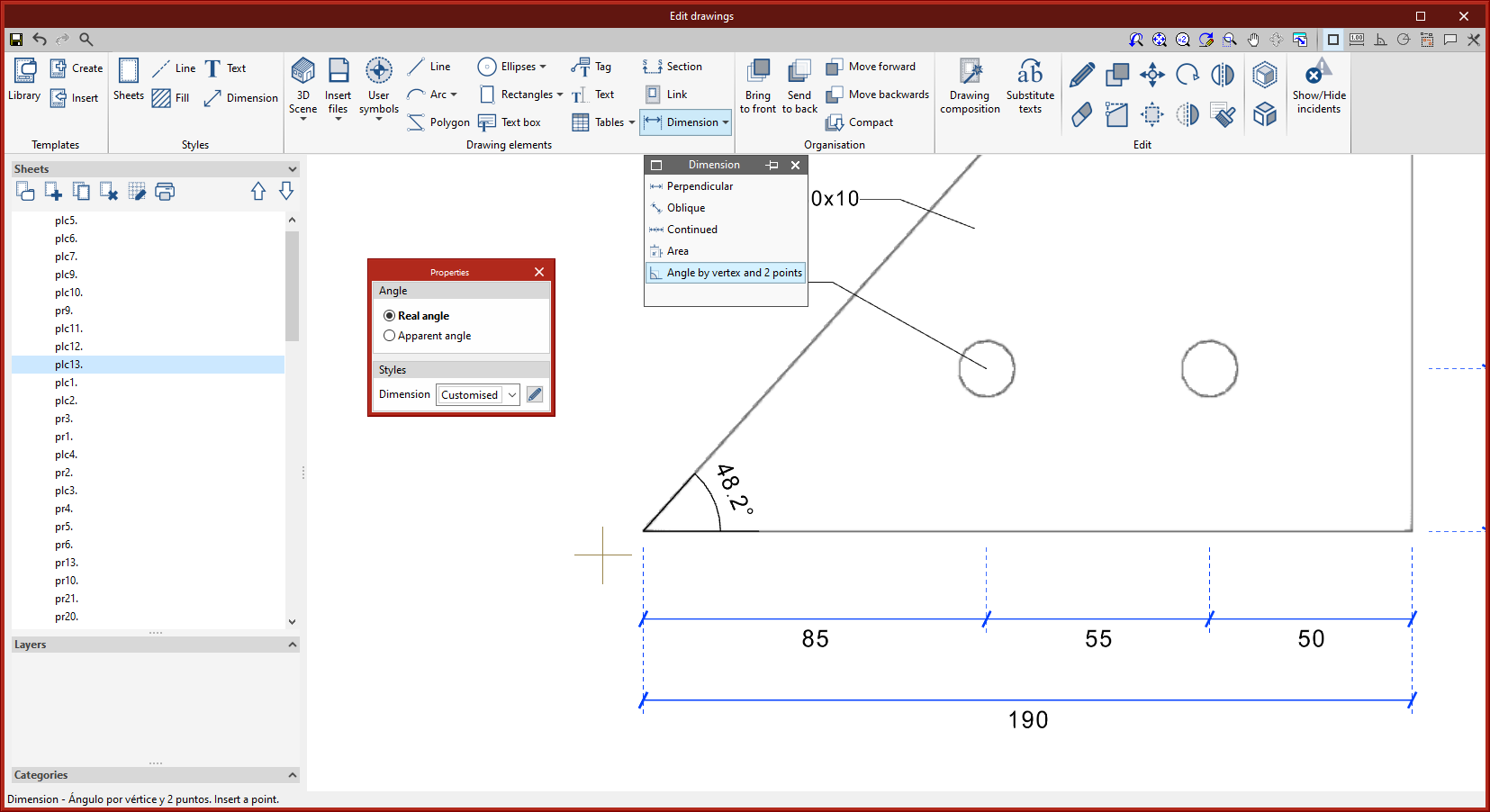
The dimensioning tool "Angle by vertex and 2 points" has been implemented. This tool allows angles to be dimensioned using 3 points. First, the angle's vertex must be selected, followed by a point on each side.

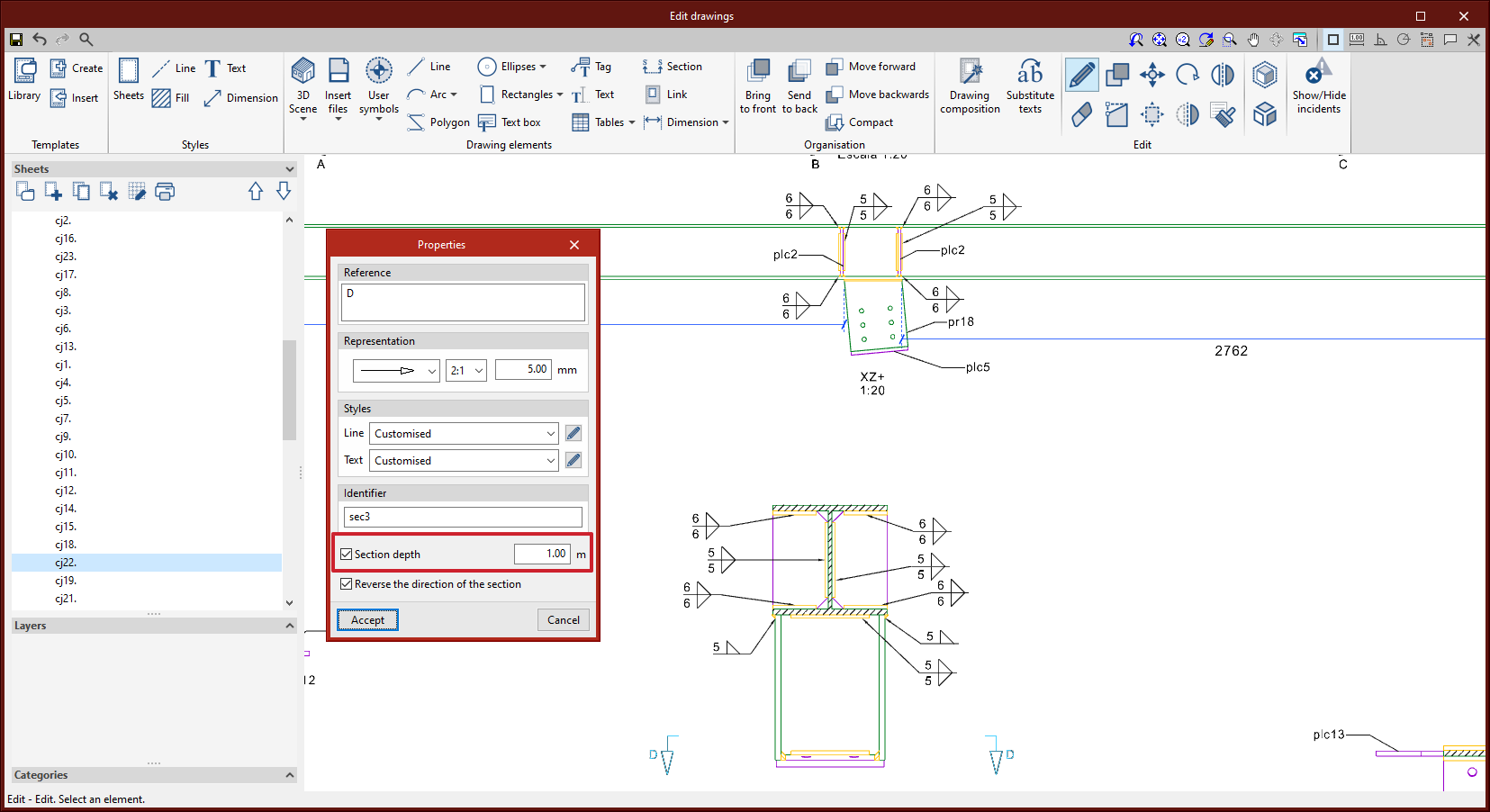
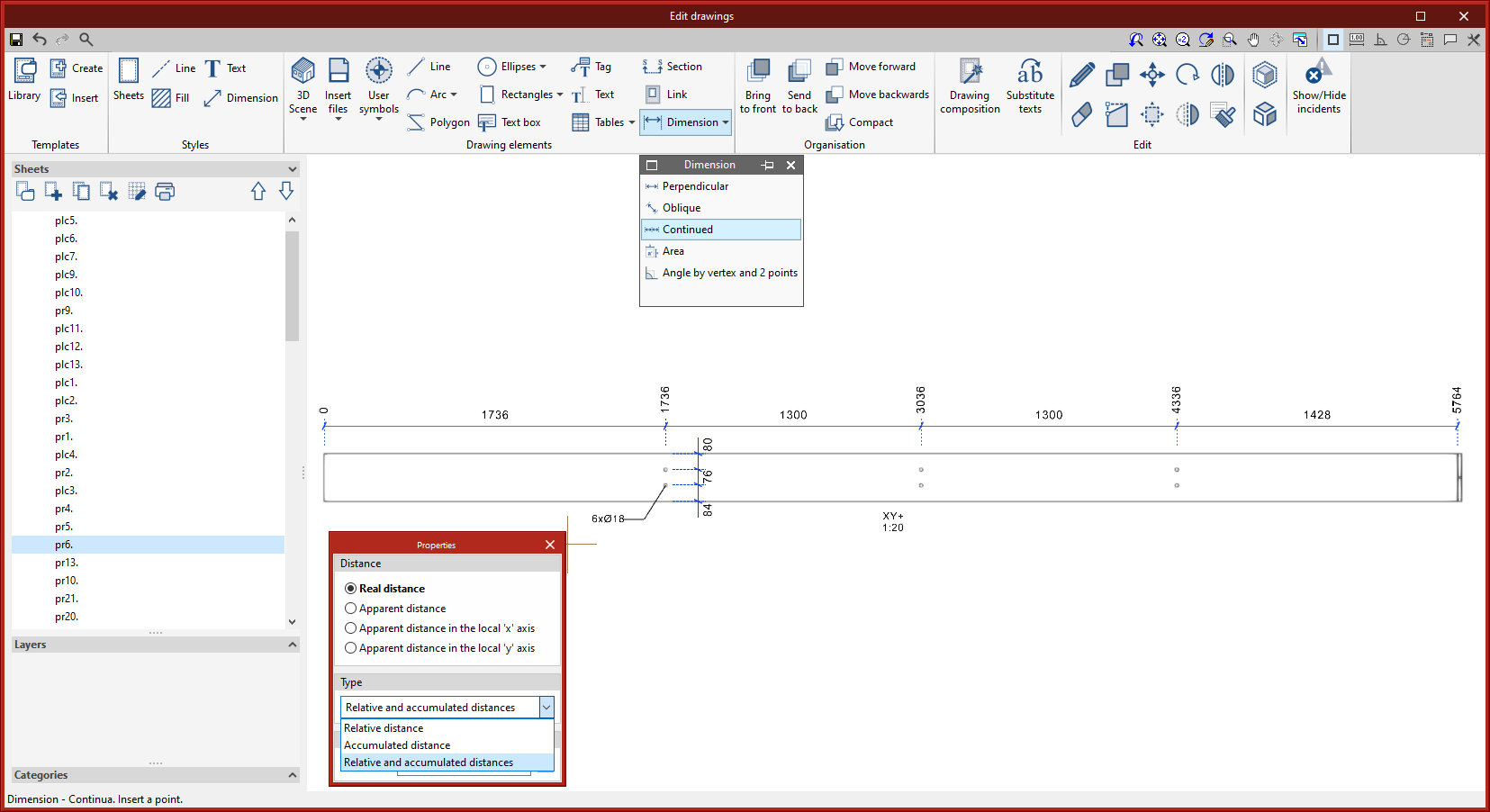
A new dimensioning tool has been added. This tool allows more than one section to be continuously dimensioned. This type of dimensioning allows the "Relative distance", the "Accumulated distance" or the "Relative and accumulated distances" to be displayed.

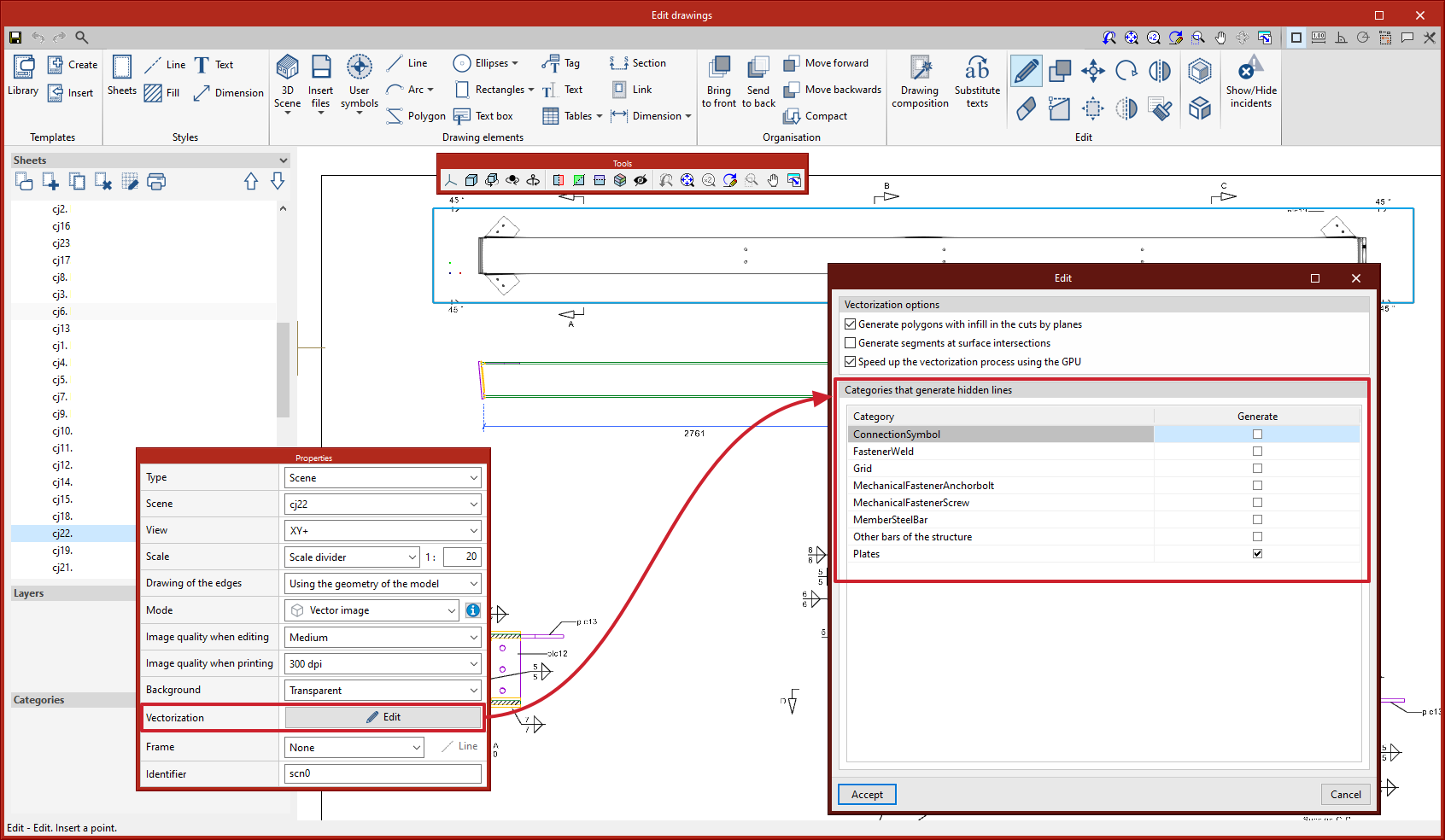
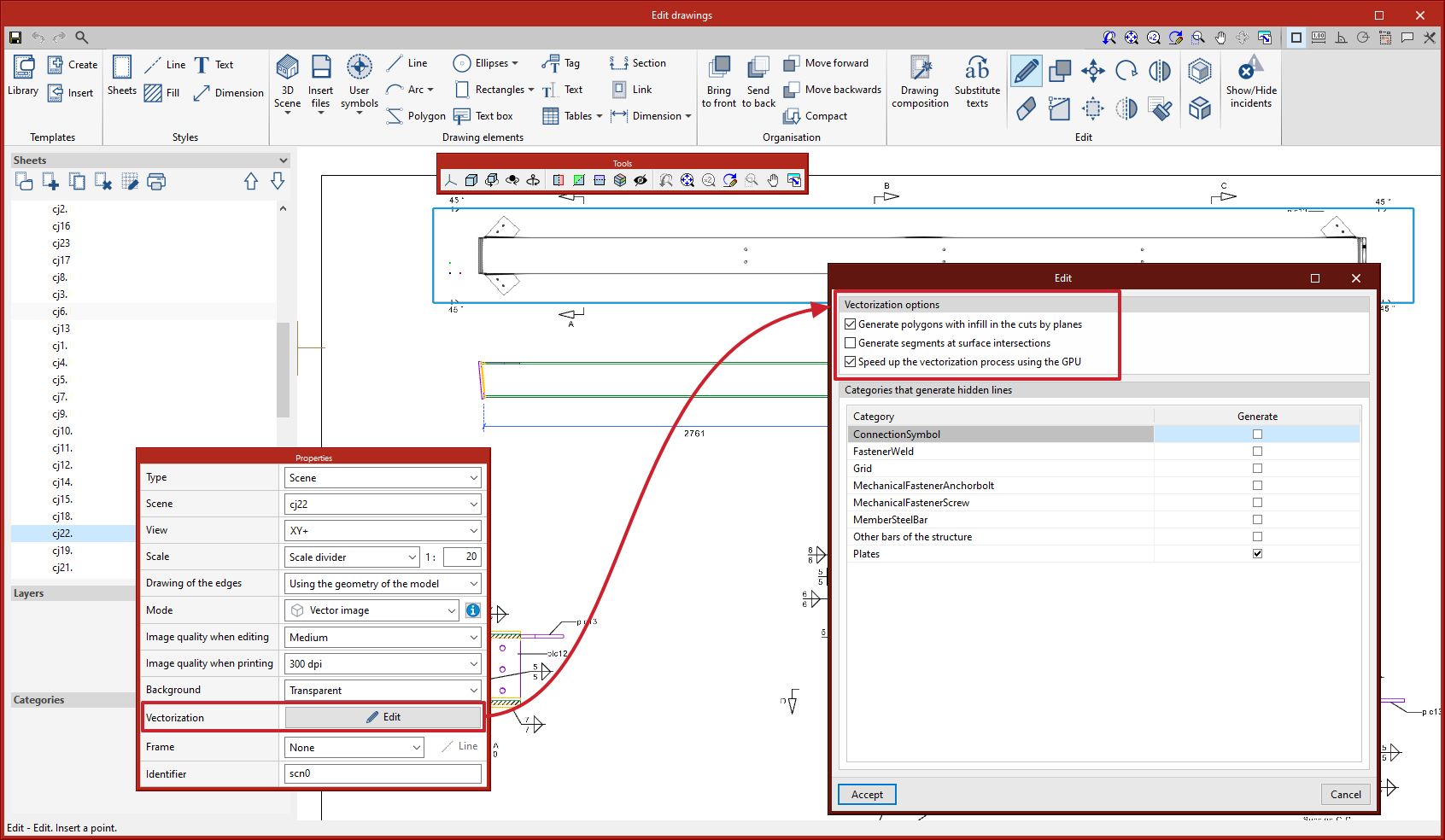
Hidden lines can now be drawn in scenes. Users can select the categories of elements that generate hidden lines in each scene from the editing panel of the "Vectorization" option.

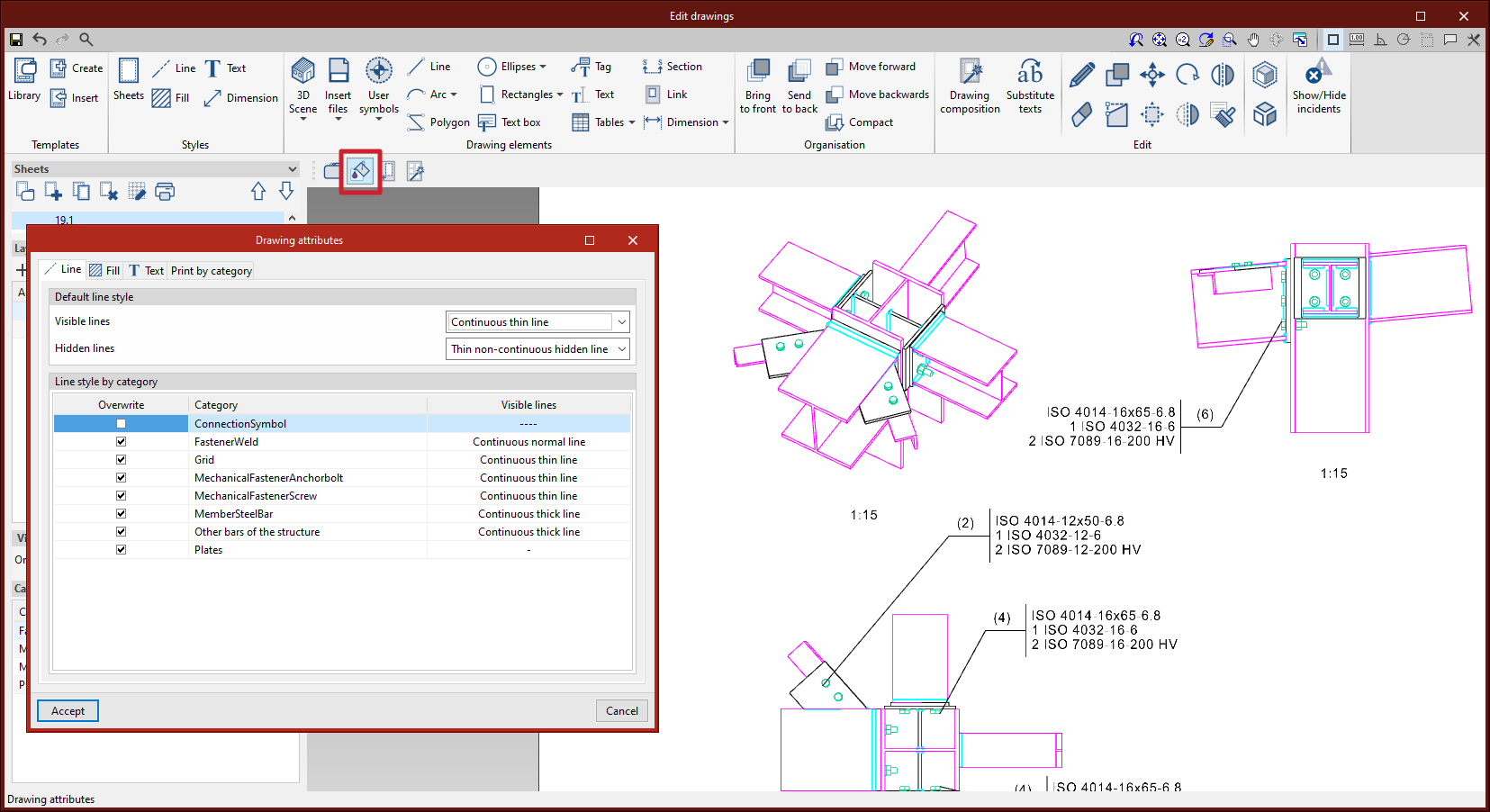
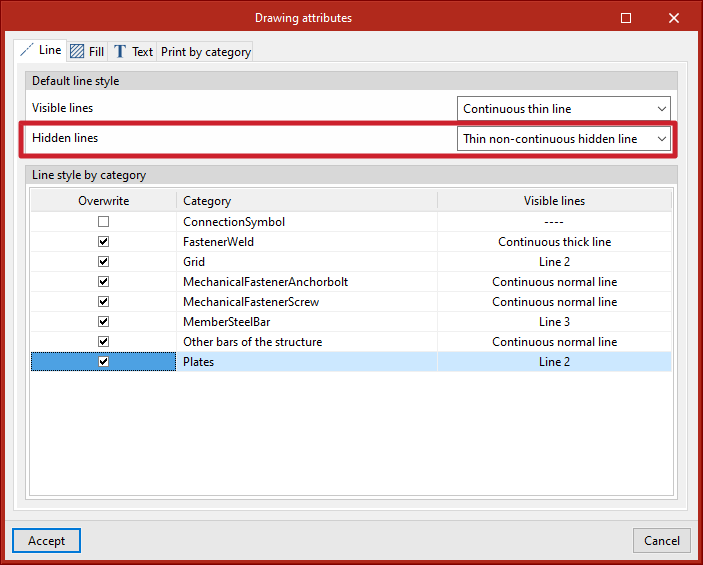
The dialogue box for editing the drawing style of the hidden lines can be accessed from the "3D Scene" tool > "Drawing attributes" option.

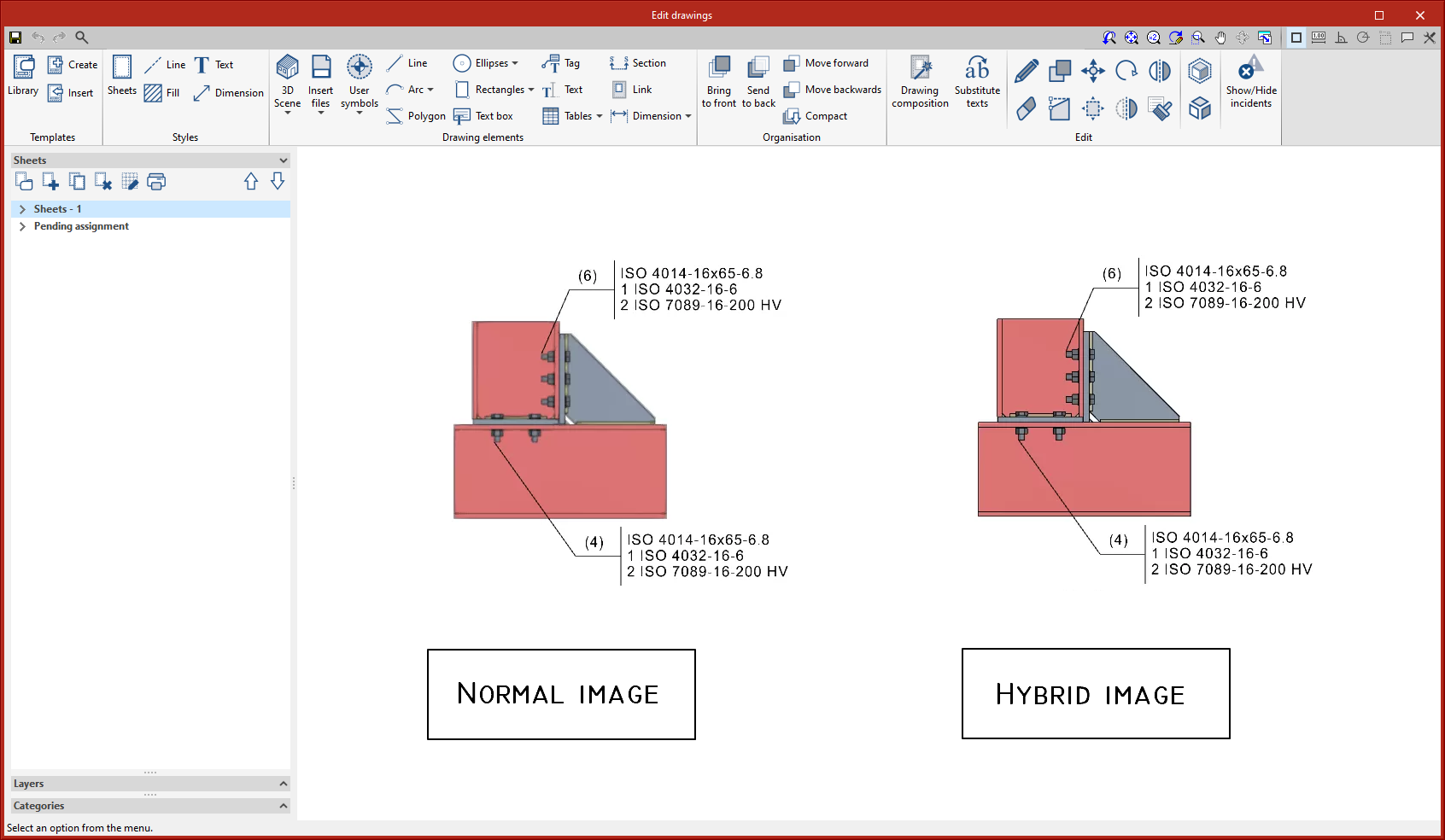
In previous versions, the Open BIM Layout, StruBIM Steel and CYPE Connect programs had the following scene drawing modes: "Normal image" and "Monochrome image". As of version 2023.d, two additional modes have been added:

  • Hybrid image
    Image with coloured elements and edge vectors.
  • Vector image
    Image without colour fill of the elements, with vector lines.

The type of image can be selected from the editing panel in each scene.

The following options can also be accessed from "Vectorization":

  • Generate polygons with infill in the cuts by planes
  • Generate segments at surface intersections
  • Speed up the vectorization process using the GPU

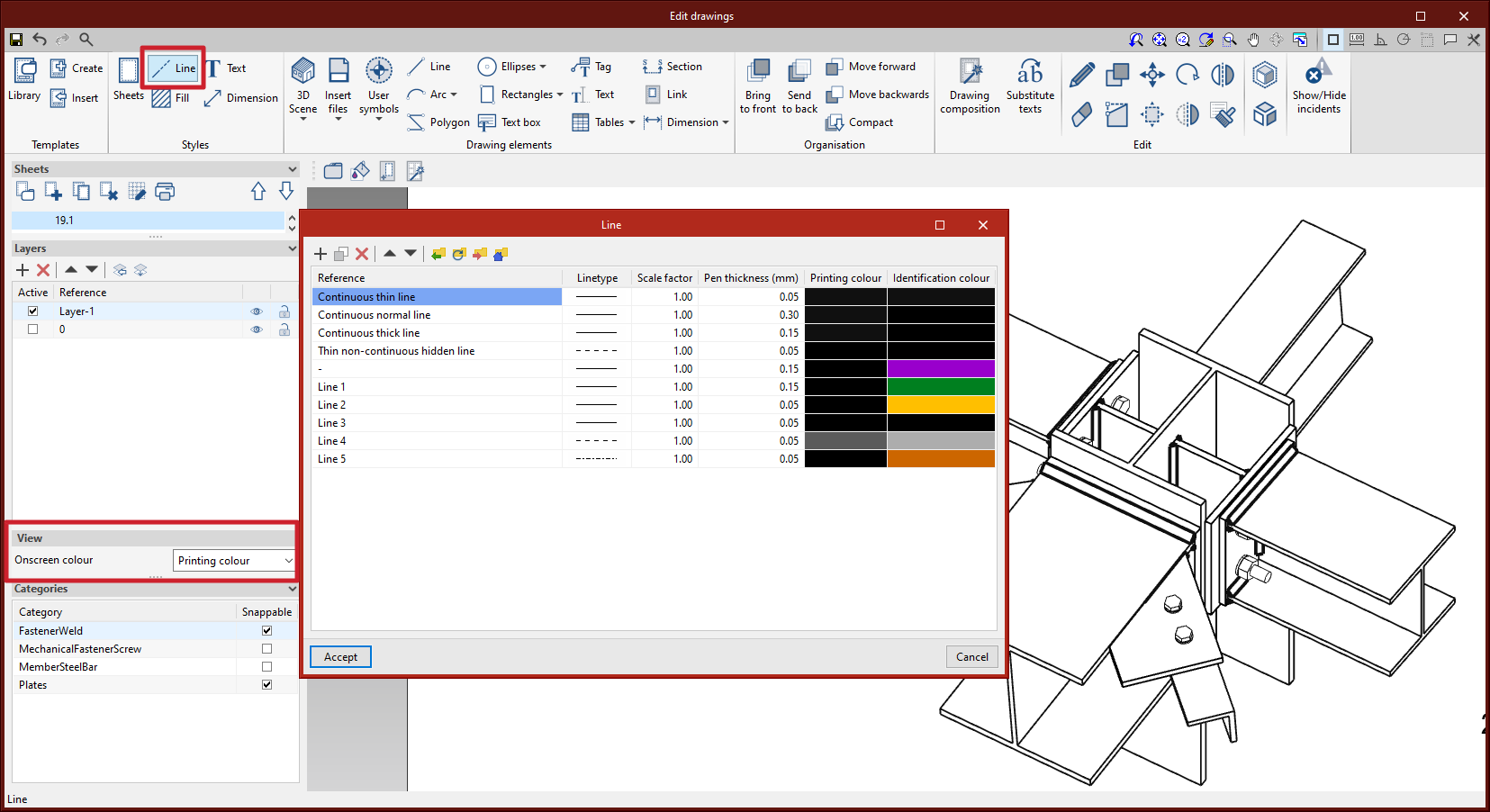
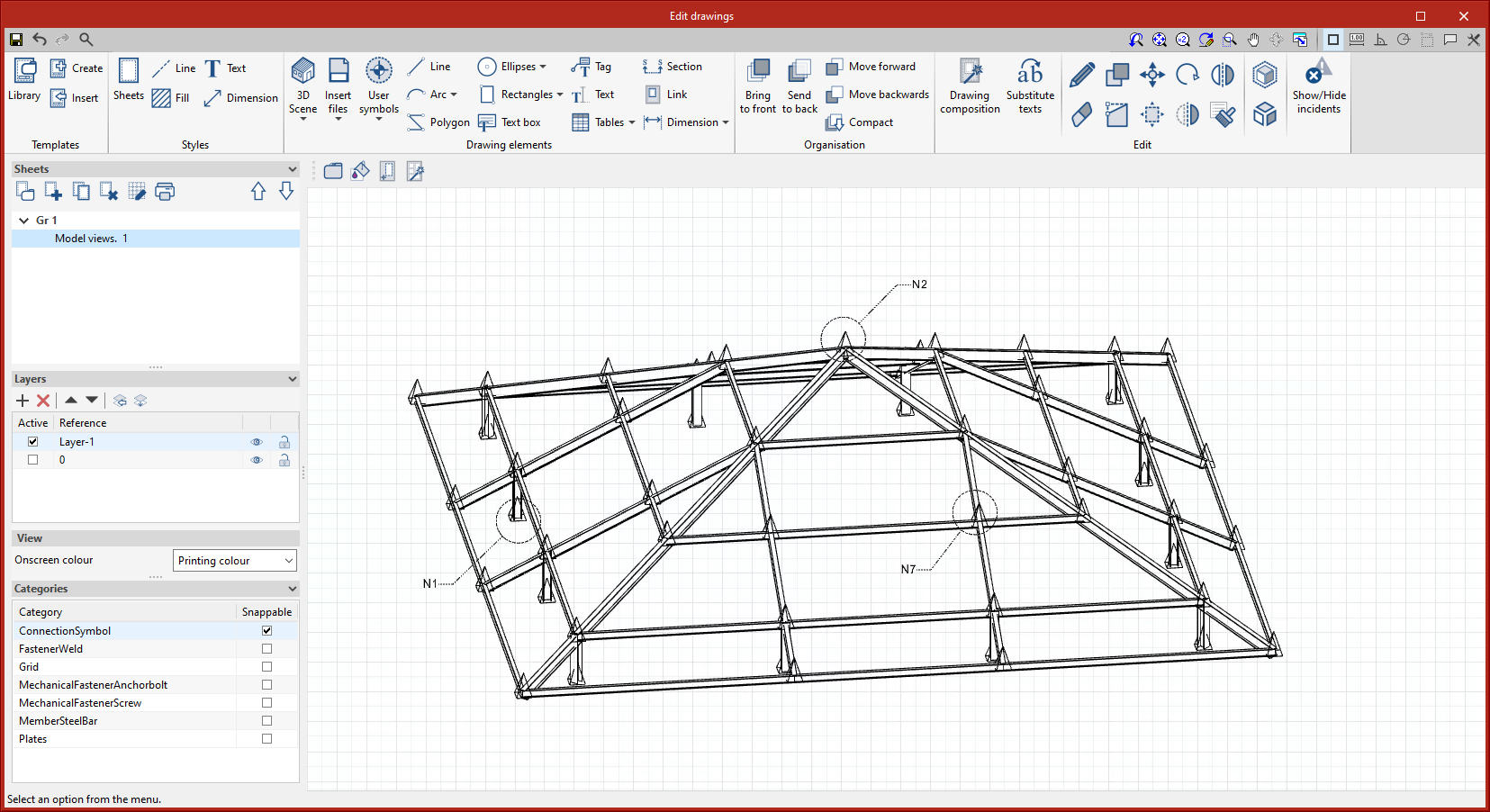
In version 2023.d, connection symbols are included in the "Drawing composition" in order to label the connections in the views of the structure. The connection symbol can be snapped with the "Tag" tool. The automatic tag will display the connection reference. The connection symbols will not be printed by default, however, users can manage this printing (see the new feature "Print management by categories of elements").

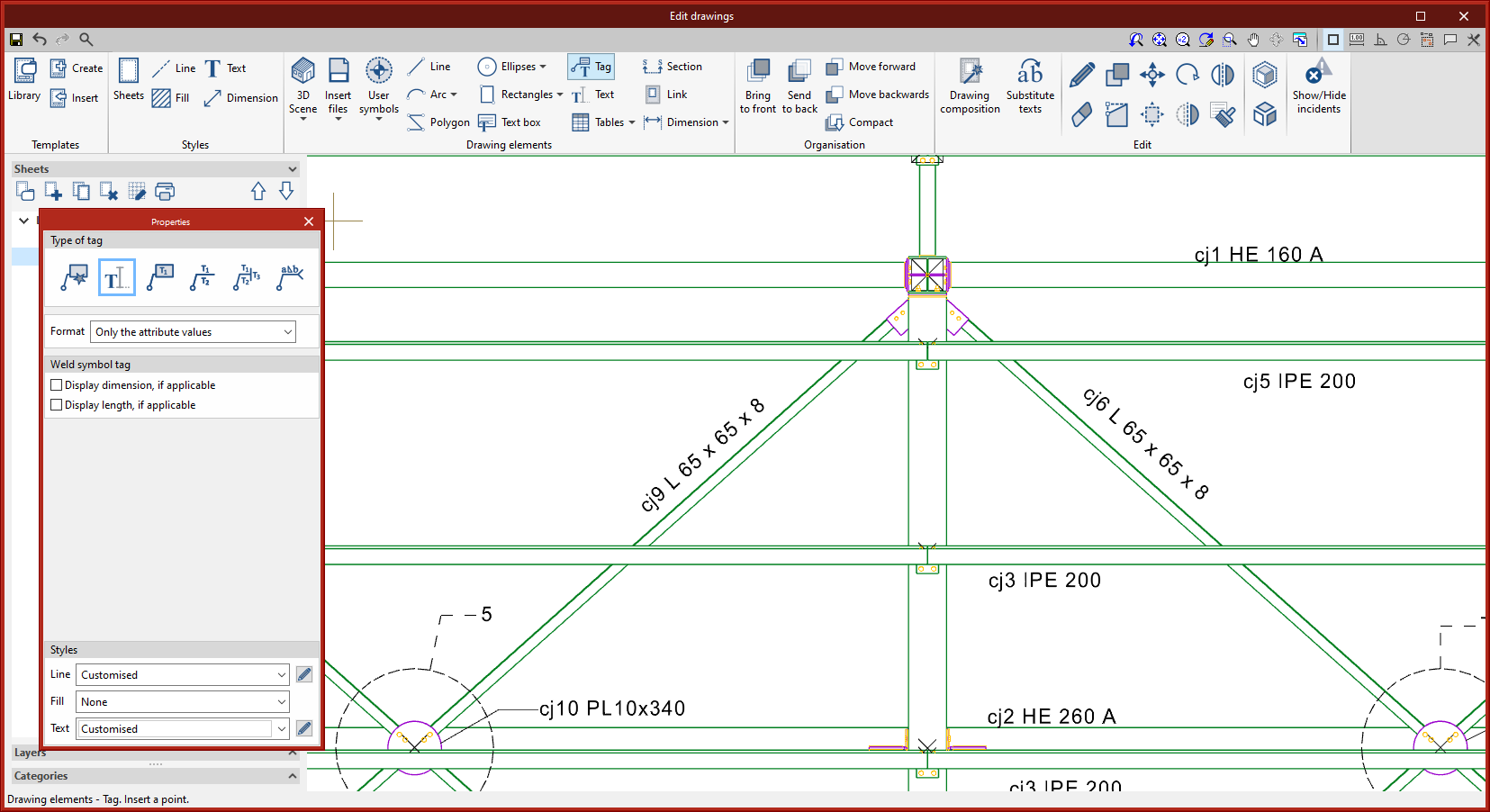
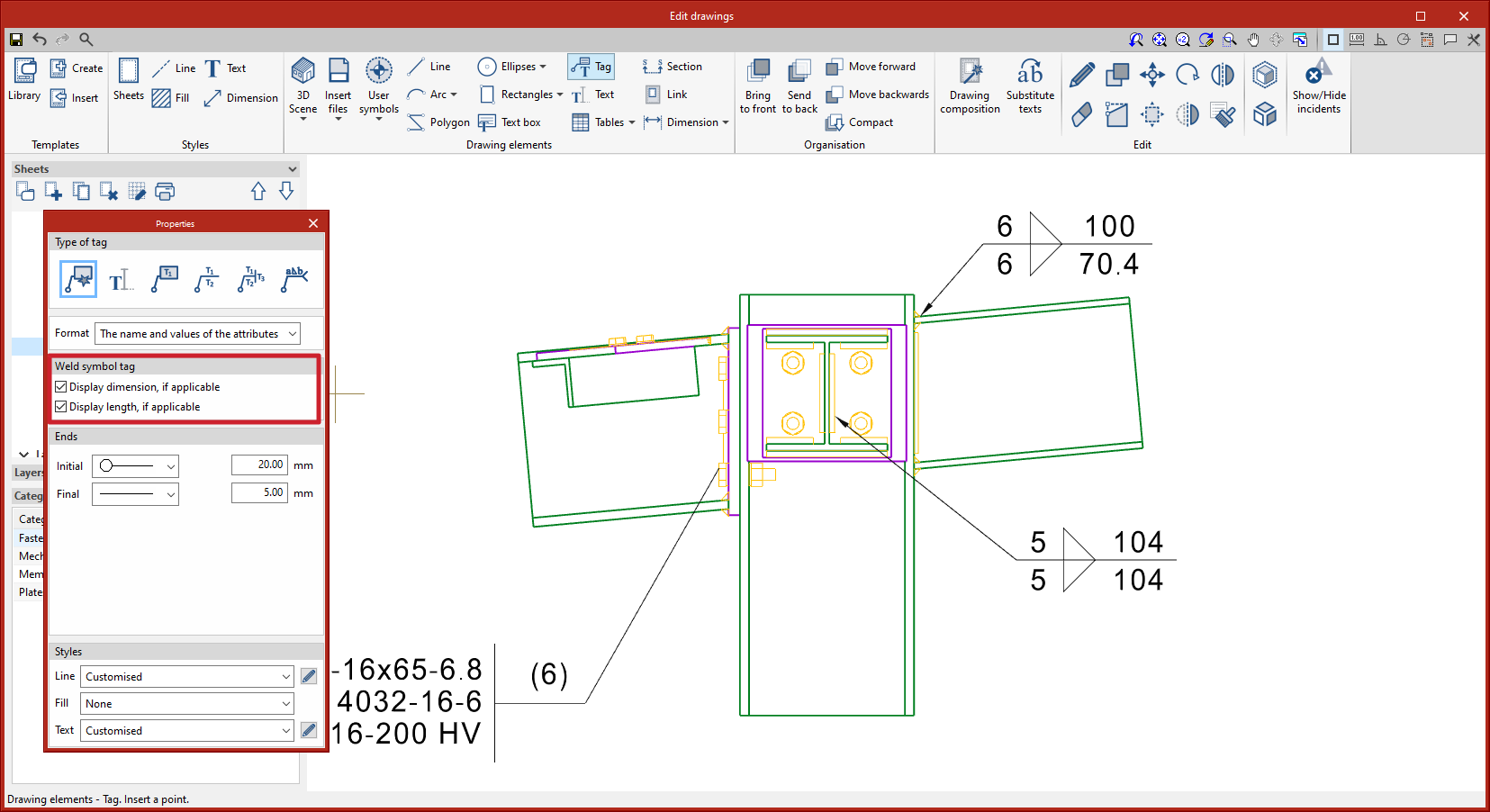
Weld tags display information about the welds in the model. Tags can be fully edited once entered, however, when entering tags, users are given the option to display or hide the dimensions and length, if applicable.

As of version 2023.d, in the notes section, the automatic weld tag now includes the reference of the electrode used as long as it has been defined in the operation where the weld is generated.

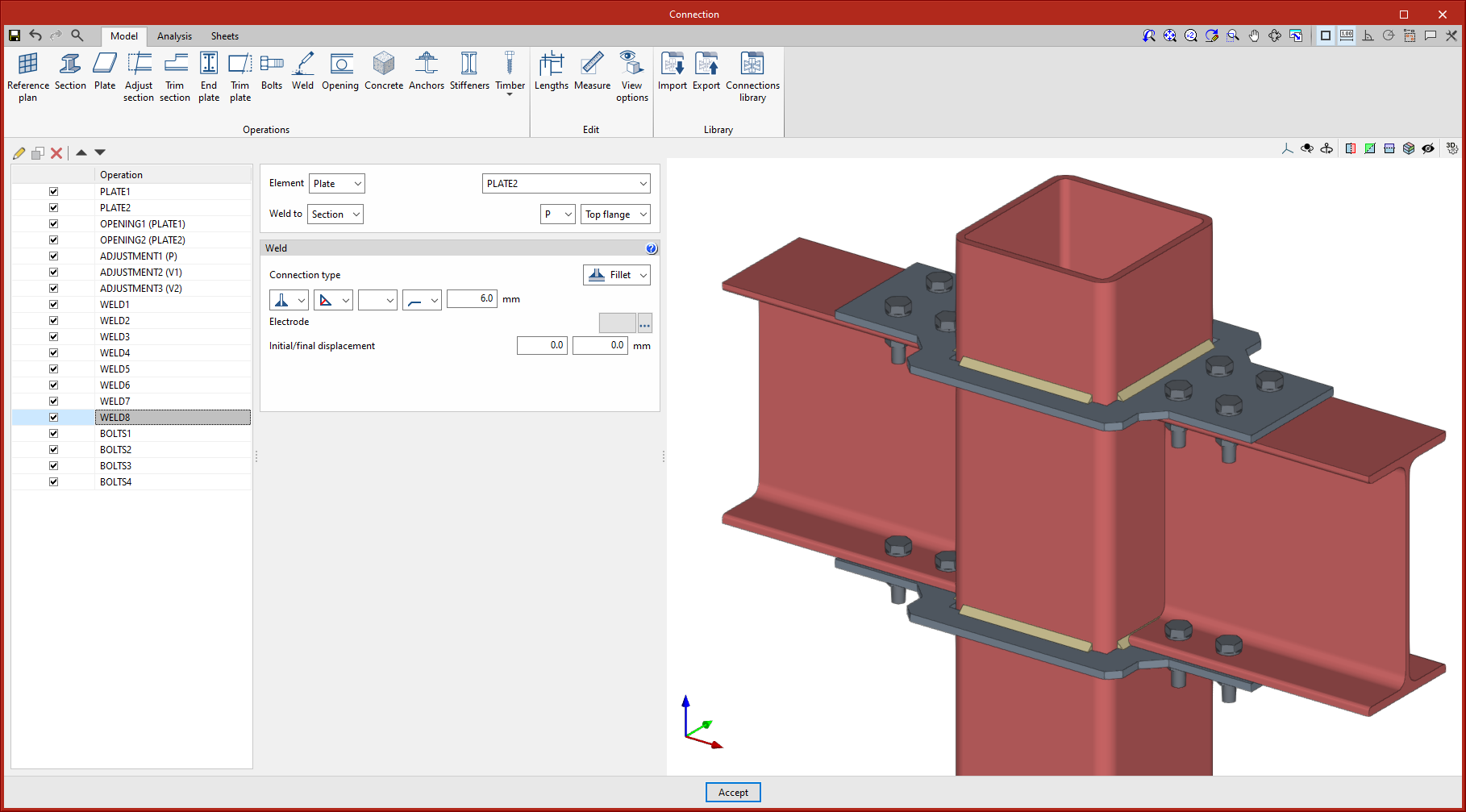
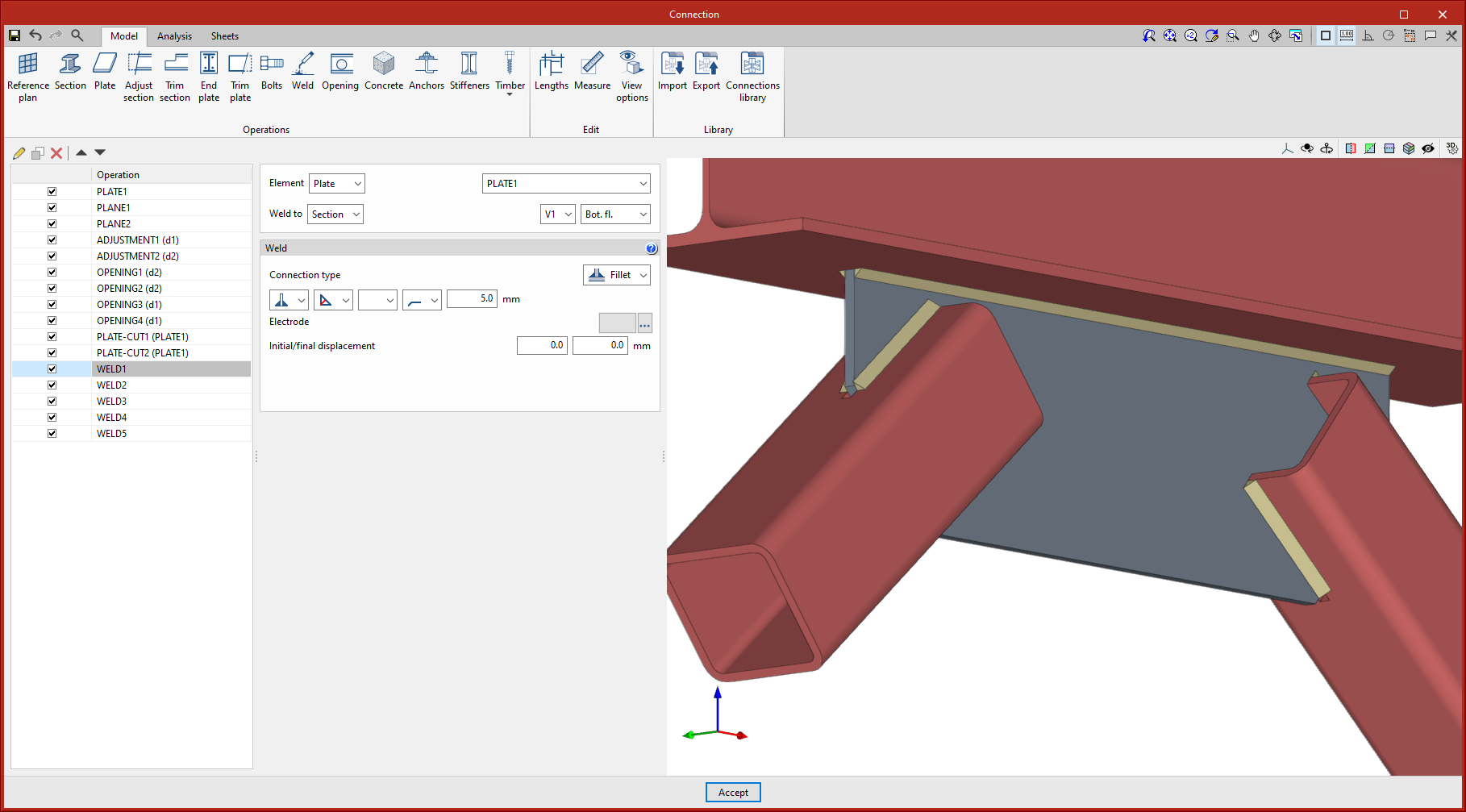
As of version 2023.d, welds can be applied to the internal contours of openings. This improvement, together with the improvements in clash detection and opening introduction, allows users to design and size connections with fitted plates, bars crossing openings, etc.

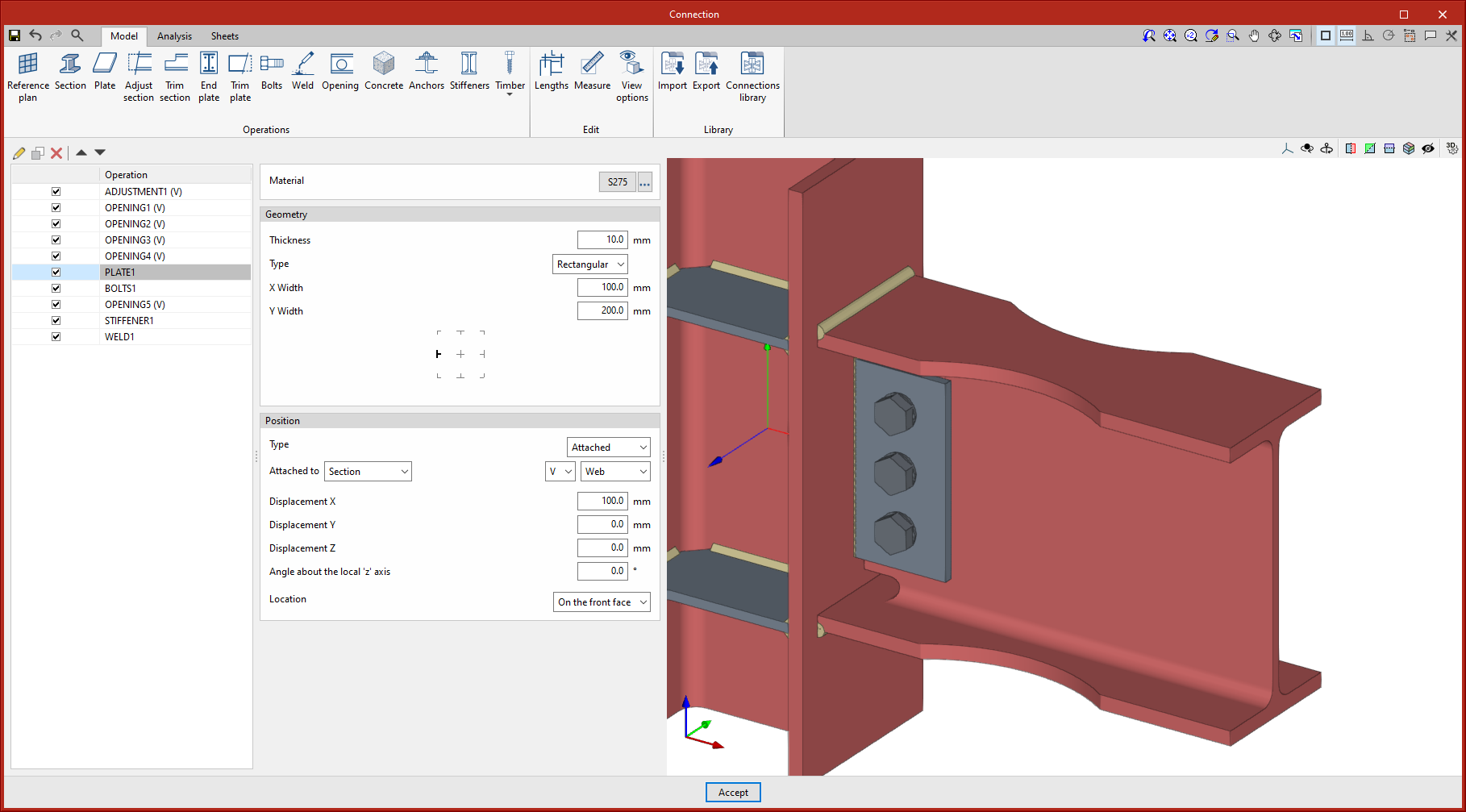
Up until the current version, connections could be analysed when the openings in plates or sections were internal, i.e. when they were completely contained in the plates. As of version 2023.d, openings can now intersect with the edges of the plates.

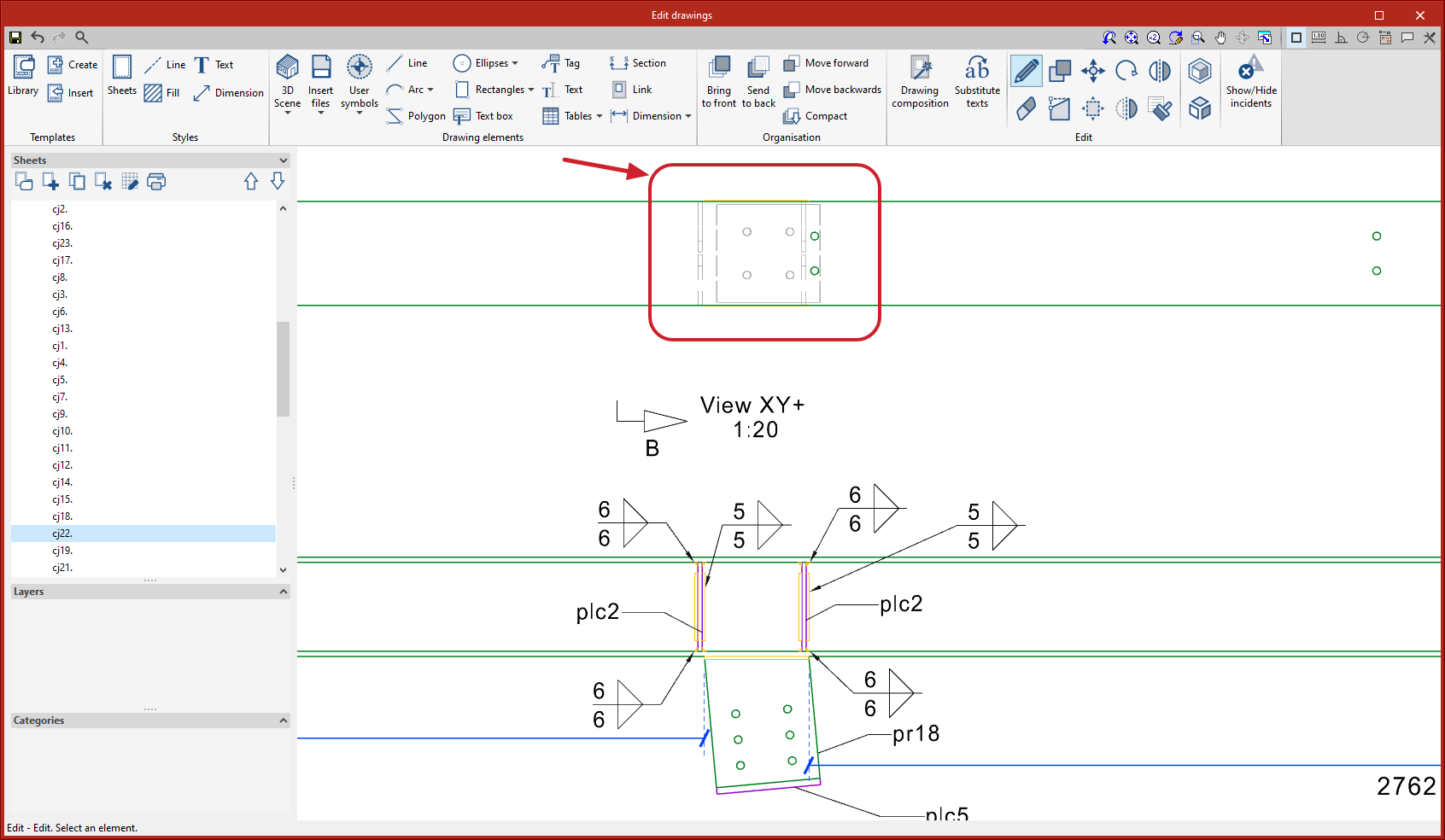
Clash detection between plates and sections has been improved. In previous versions, clashes between plates were detected as those that occurred in areas where an opening was placed. As an opening has been provided, the program no longer considers them as clashes because they do not represent a real situation. This allows users to model connections such as the one in the attached image.

Furthermore, as an improvement in clash detection, clashes between overlapping plates are detected.

In version 2023.d of CYPE Connect and StruBIM Steel, SPIT brand post-installed chemical anchors can now be used as concrete fixings in baseplates. These elements are checked in accordance with the criteria of the EN 1992-4:2018 code, based on the data provided in the ETAs of these anchors (European Technical Assessment).

The "Font size" option has been added to the general configuration menu of the applications. This tool allows users to increase or decrease the basic size of the font used in the user interface of the programs. Thanks to this implementation, the accessibility of the applications has been improved while also ensuring the correct visibility of the content on devices with different screen resolutions.

To enter a "Basic size" the "Set custom font size" option must be checked. The size users can enter is the application's basic font size. Any other font sizes that may exist in the program's interface will be automatically modified proportionally according to the change in the basic size.

It is important to note that, as this is a common parameter, its modification will affect all installed CYPE tools.