
Update history​​

CYPECAD

As of the 2019.f version, CYPE programs (those downloaded from our website and those downloaded from the BIMserver.center platform) are compiled for 64-bit systems. The 64-bit compilation of CYPE software implies the use of the superior features of 64-bit processors and operating systems compared to those of 32 bits.
Please bear in mind that you must have a 64-bit operating system to be able to work with any 64-bit software.

In any case and as a temporary measure, the 2019.f version is available in 64 and 32 bits on the download area of our webpage. The programs that can be downloaded from the BIMserver.center platform are only available in 64 bits. If you have a 64-bit operating system, you can work with either the 64-bit and 32-bit version of our software, although we strongly recommend that you install the 64-bit CYPE software version.

You can see which operating system is installed on your computer by clicking on "Control panel > System".

Since 64-bit microprocessors began to be massively introduced into personal computers from 2003 and from the Windows XP version, Microsoft already offers the two versions of its operating systems (32 and 64 bits). We understand that almost all our users will have computers with 64-bit processors (x64) and 64-bit operating systems.

It could occur that a user may wish to work with a computer with a 64-bit processor but with a 32-bit operating system. It would be very strange if the computer had a 32-bit processor (x86 - computers over 15 years old). If any of these is your case, we advise you to talk to your hardware or software provider to update your situation as soon as possible. However, you can download the 32-bit version and work with CYPE programs that can be downloaded from our website until your situation is up-to-date.
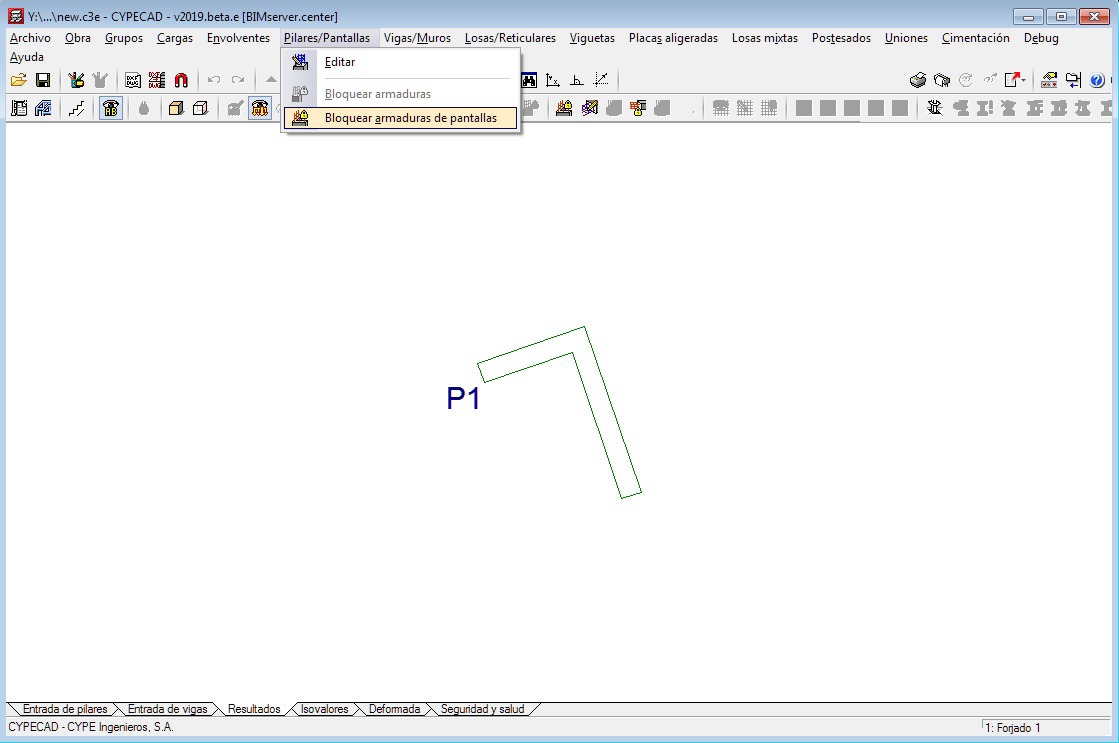
As of the 2019.e version, the reinforcement of reinforced concrete shear walls can be blocked in the same way as is done for reinforced concrete walls.

Blocked shear walls will not undergo any modifications during the design phase.

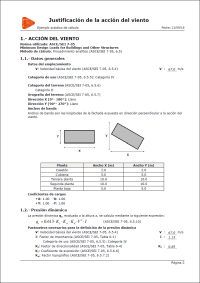
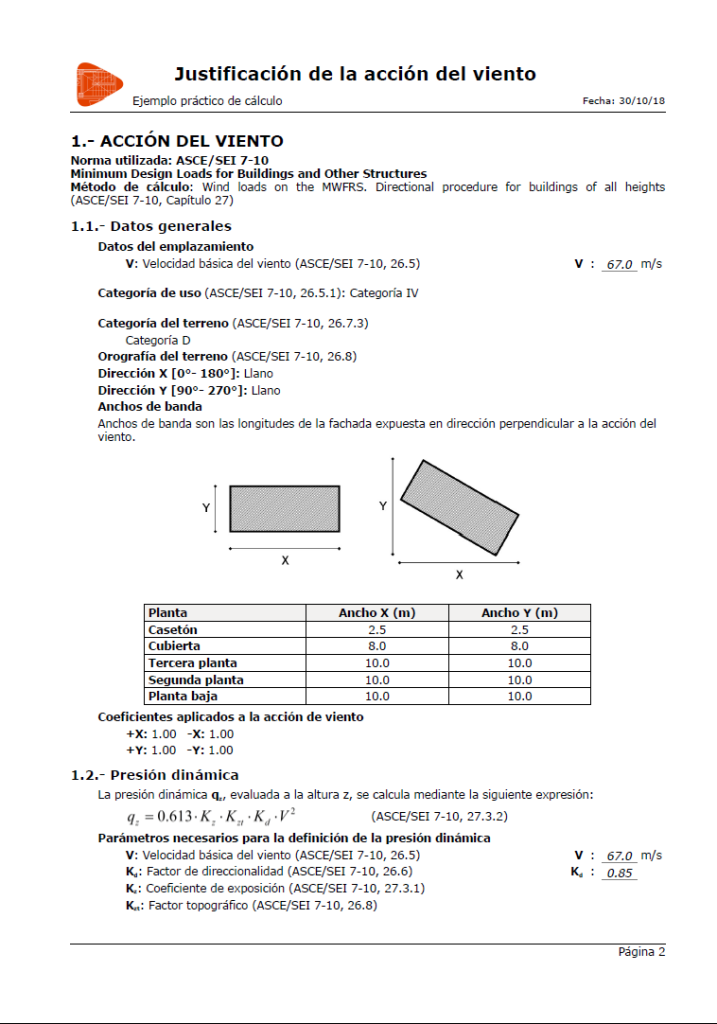
In the 2019.e version, a “Wind load justification report” has been implemented for the following codes:

  • ASCE/SEI 7-10 Minimum Design Loads for Buildings and Other Structures (USA)
  • NB 1225003-1 Acciones sobre las estructuras. Acción del viento. (Bolivia)
  • NCh432-2010 Diseño estructural. Cargas de viento. (Chile)
  • NSR-10 Capítulo B.6 - Fuerzas de viento. (Colombia)
  • NTC-2017 Normas Técnicas Complementarias para Diseño por Viento. (Mexico)
  • REP-04 Reglamento para el Diseño Estructural. (Panama)
  • REP-2014 Reglamento para el Diseño Estructural. (Panama)
  • RNC-07 Reglamento Nacional de Construcción. (Nicaragua)

This report was implemented for other codes in previous versions and will be implemented for other codes progressively.

As of the 2019.e version, drawings exported in dxf /dwg format will generate “dimension” type element blocks. In previous versions, dimensions on drawings were exported as a series of lines and texts.

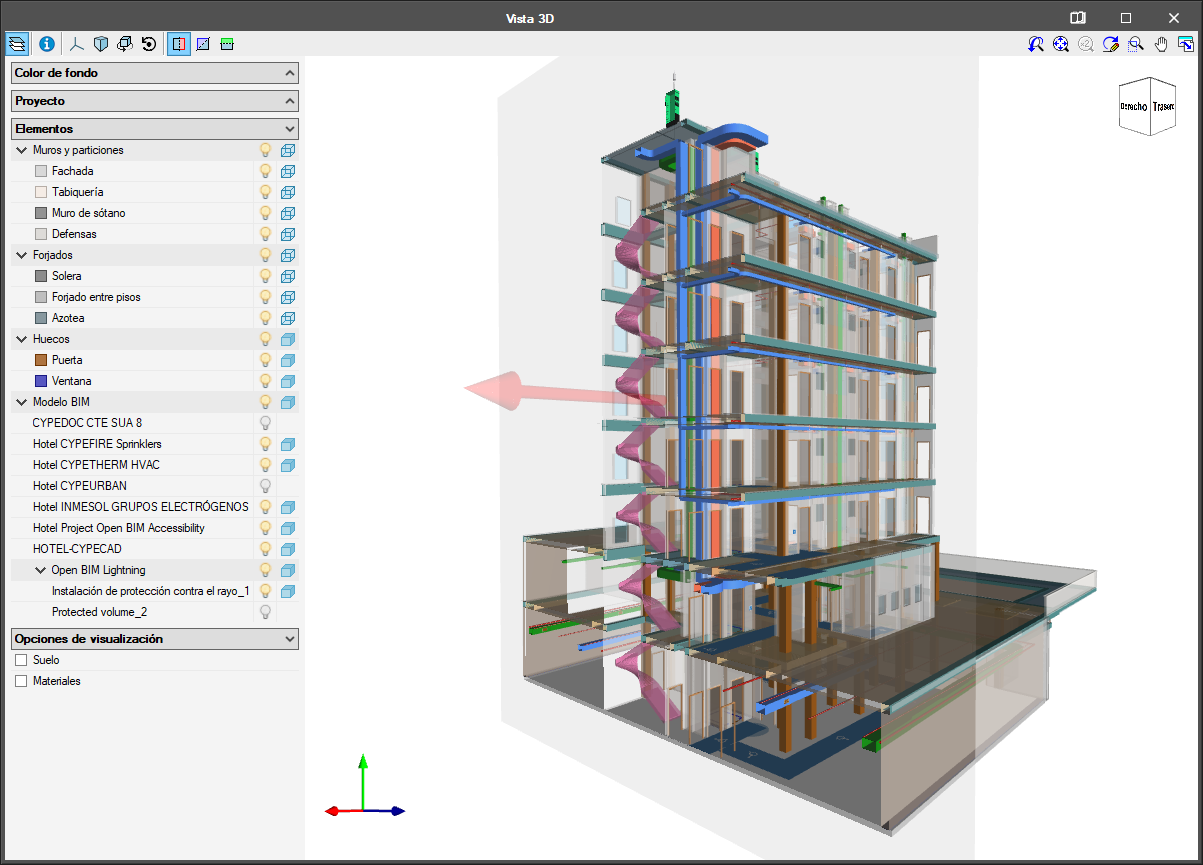
As of the 2019.e version, the applications that are integrated in the Open BIM workflow can consult the BIM information contained in the GLTF format files in the same way as on the BIMserver.center platform.

As of the 2019.e version, the 3D representation in the applications that are integrated in the Open BIM workflow contains the elements of the application itself as well as those contained in the GLTF files exported by the rest of the applications whose IFC files have been linked to the model.

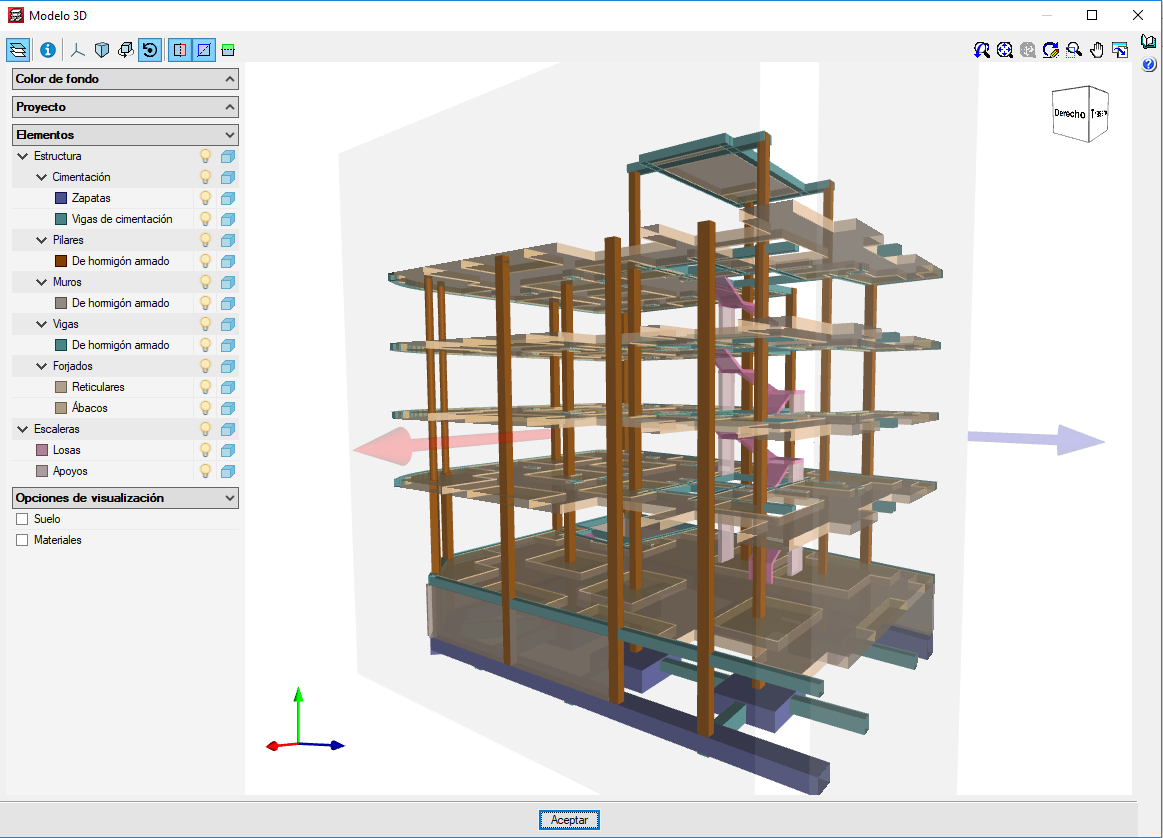
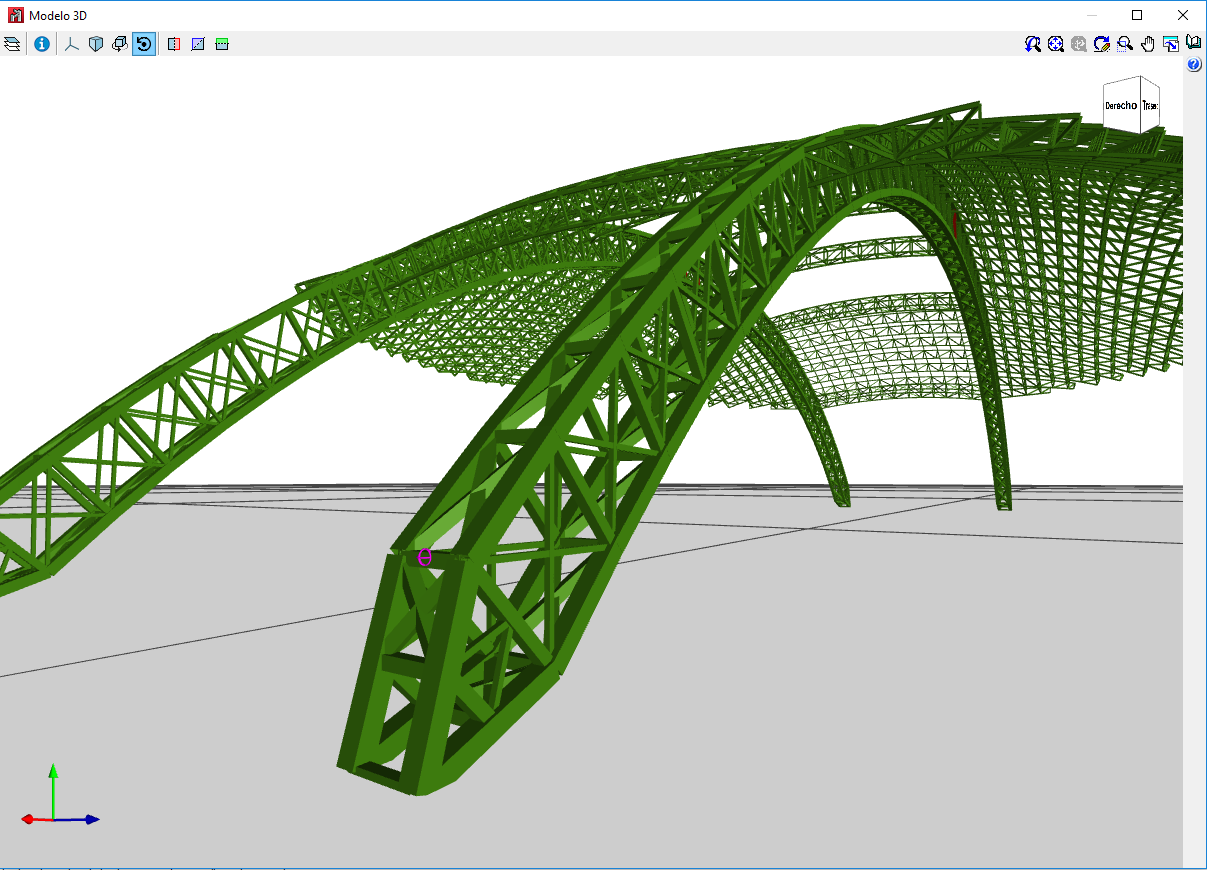
The 2019.e version includes a new 3D view system in most of its programs: CYPECAD, CYPE 3D and the entire family of applications integrated in the Open BIM workflow. It will be incorporated progressively in other programs.

The properties of the system are:

  • Improvement in the speed with which scenes containing many objects are drawn

  • Dynamic calculation of the rotation pivot of the camera

  • Rotation around a point indicated by users

  • Possibility to define global section planes X, Y or Z

  • Zoom to the object under the cursor in the perspective and orthogonal views


For this viewing system to operate correctly, the applications require a video card that is compatible with OpenGL 3.3 or higher.

The standards for which this report has been implemented can be consulted in the “Wind load justification report” section of the new features of CYPECAD.

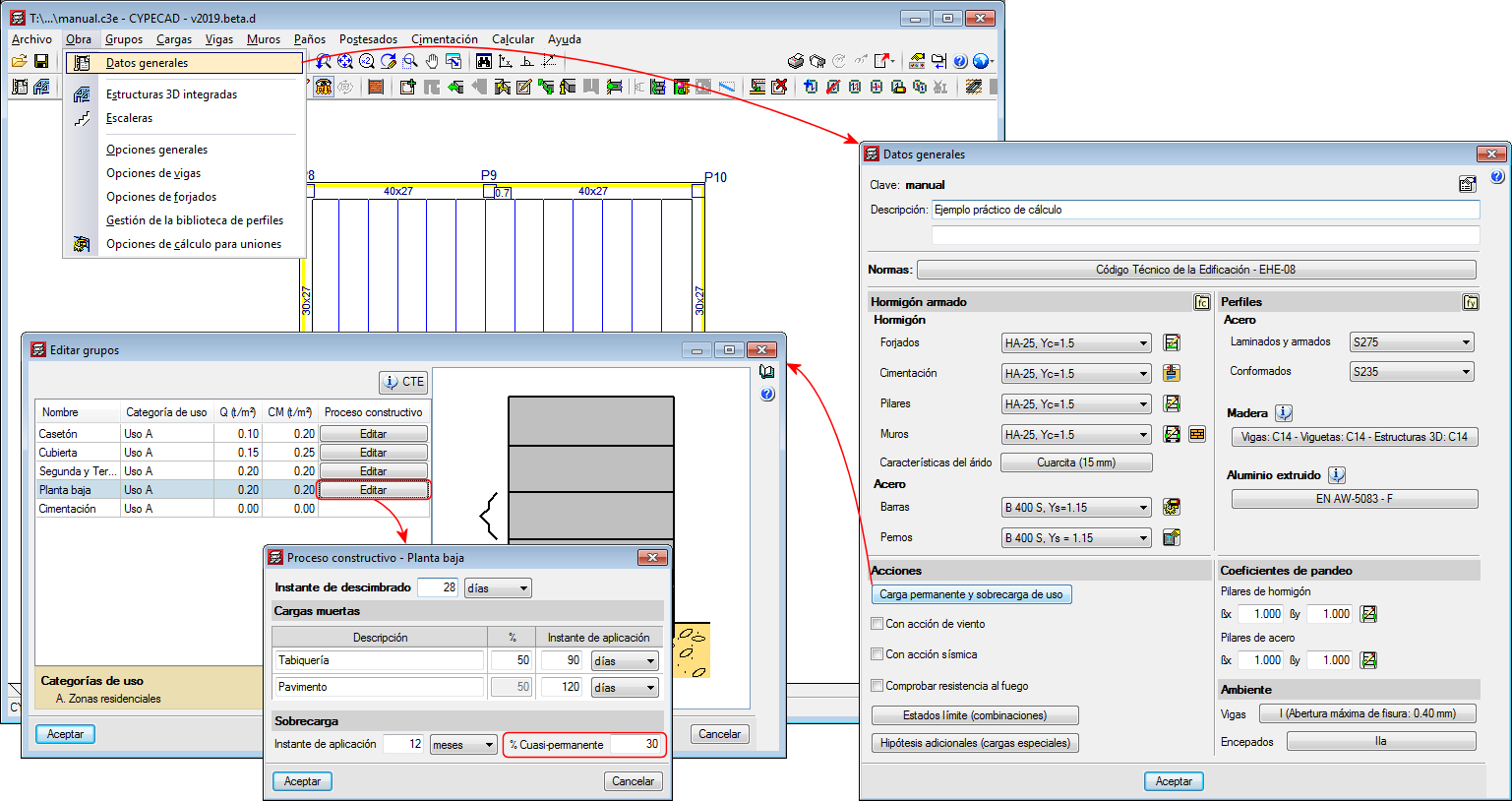
As of the 2019.d version, CYPECAD, CYPE 3D and Continuous beams allow users to edit the percentage of live load to be considered as quasi-permanent load to take it into account when calculating the differed deflection. To do so, the “Construction process” panel has been included in the “% Quasi-permanent” field. 

The panel can be accessed as follows:

  • CYPECAD
    In CYPECAD, users can indicate a different live load percentage as quasi-permanent load for each floor group:


    Project > General data > Permanent and live load > “Edit” button of the floor in question.
  • CYPE 3D
    Project > General data > Construction process
  • Vigas continuas
    General data > Construction process

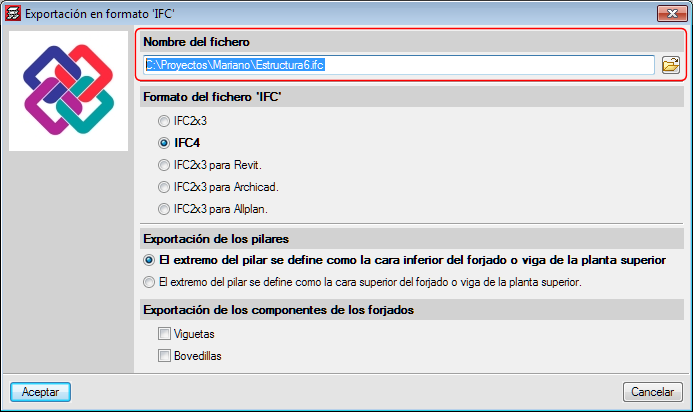
In previous versions, each time a file was exported to IFC format, the program would propose a default path: “C:\CYPE Ingenieros\Export files\CYPECAD\**.ifc”. As of the 2019.d version, the program remembers the path to which the file was exported previously, even if it belongs to a different project.

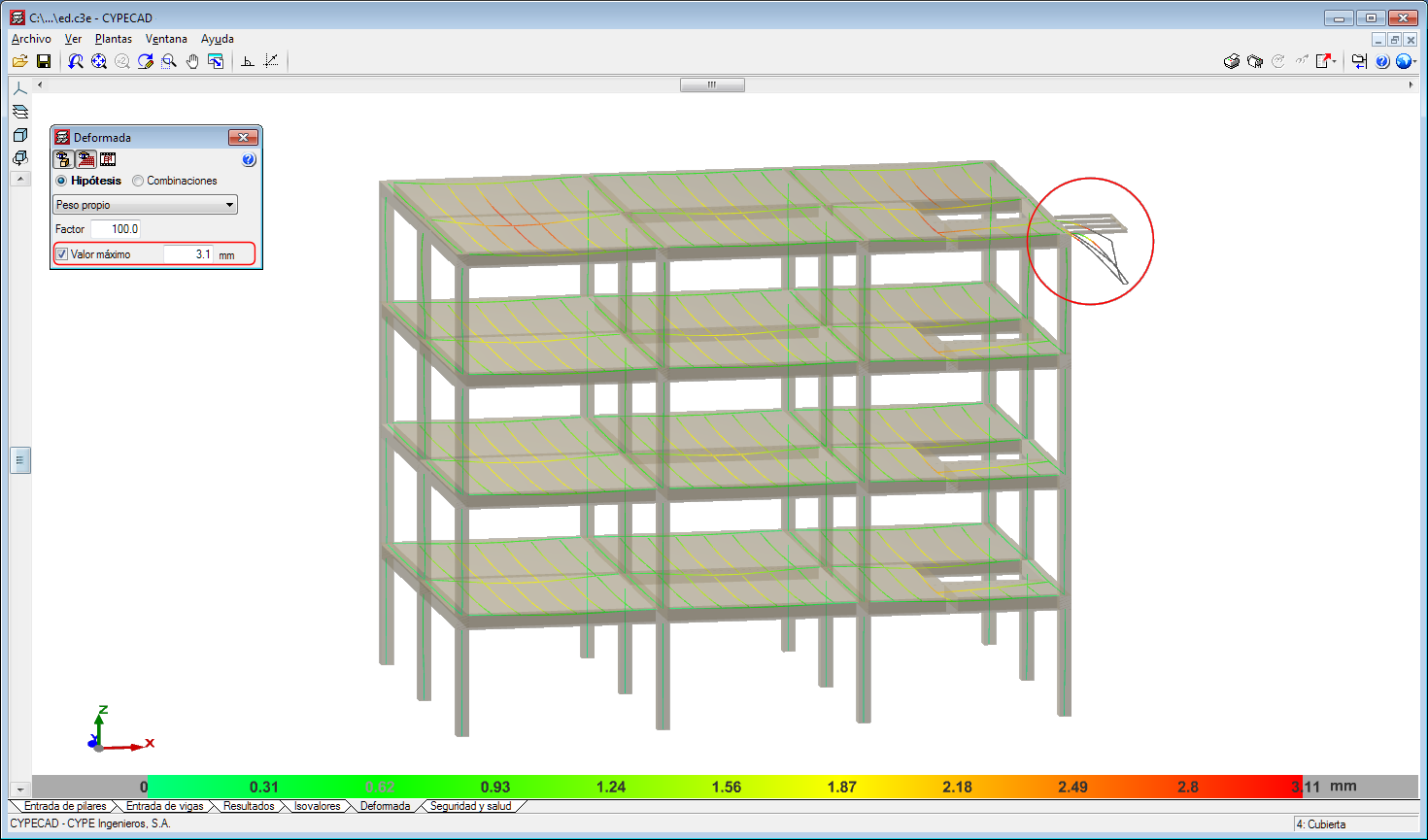
As of the 2019.d version, users can establish a displacement limit as of which the values of the deformed shape are not displayed.

In other words, the deformed shaped of the structure is still represented with the scale factor that users have specified regardless of whether the indicated limit has been exceeded or not. What happens now is that the points that exceed the displacement limit are displayed in black.

To do so, the “Maximum value” option has been included in the “Deformed shape” panel that is represented in the “Deformed shape” tab.

This tool helps users to view the values of the deformed shape, discarding the parts with a displacement value that is greater than that established by users.

New for the 2019.d version is the “Wind loads justification report” for CIRSOC 102-2005 (Reglamento Argentino de Acción del Viento sobre las Construcciones) and ASCE/SEI 7-05 (Minimum Design Loads for Buildings and other Structures).

CYPE Mentor